A balanced diet is a structured way of eating that includes all major nutrients in proper proportions. It supports energy production, body function, and long-term health.
Beginners often struggle with food choices and meal timing. A lack of structure leads to inconsistent eating patterns and unstable energy levels. A balanced diet provides a simple framework for daily nutrition.
This article explains balanced diet tips for beginners using clear food structure and practical daily habits.
What Is a Balanced Diet
A balanced diet is a daily food intake system that includes carbohydrates, proteins, fats, vitamins, minerals, and water in proper distribution.
The purpose is to:
- Maintain energy levels
- Support body function
- Improve digestion
- Maintain stable weight
- Support overall health
It focuses on balance rather than restriction.
Importance of Balanced Diet for Beginners
Beginners benefit from a balanced diet because it:
- Creates structure in eating habits
- Reduces random food choices
- Supports energy stability
- Improves nutrient intake
- Builds long-term consistency
Without structure, food intake becomes irregular.
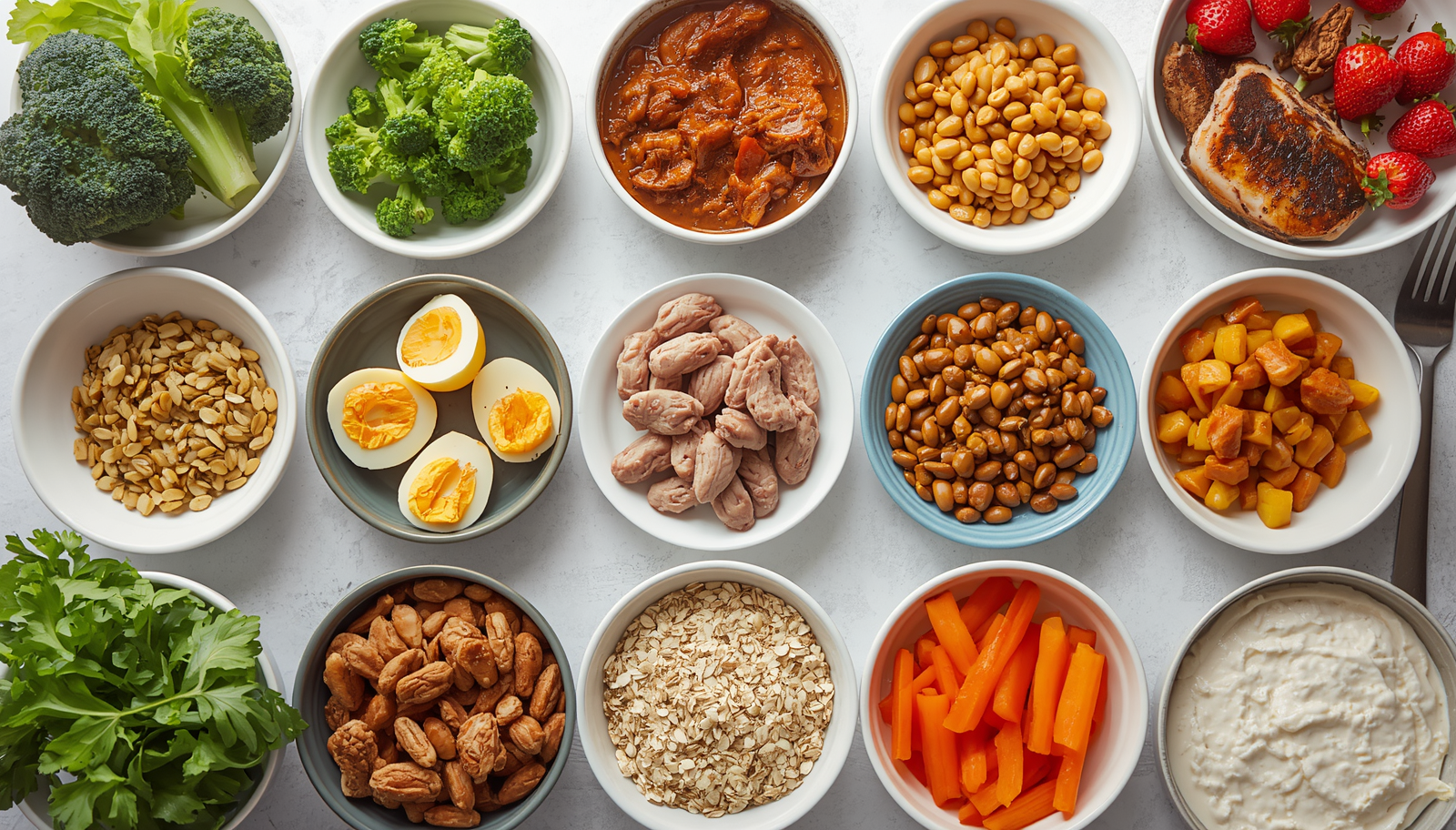
Core Food Groups in a Balanced Diet
Carbohydrates
Carbohydrates provide energy for daily activity.
Sources:
- Rice
- Bread
- Oats
- Potatoes
- Fruits
Carbohydrates should be adjusted based on activity level.
Protein
Protein supports muscle structure and body repair.
Sources:
- Eggs
- Chicken
- Fish
- Beans
- Lentils
- Dairy products
Protein should be included in each main meal.
Fat
Fat supports hormone function and cell structure.
Sources:
- Nuts
- Seeds
- Oils
- Avocado
- Dairy products
Fat intake should remain stable and not be removed.
Vitamins and Minerals
These support metabolism and body regulation.
Sources:
- Vegetables
- Fruits
- Whole grains
- Animal products
A varied diet supports nutrient coverage.
Water
Water supports digestion and nutrient transport.
Regular intake is required throughout the day.
Structure of a Balanced Diet Plan
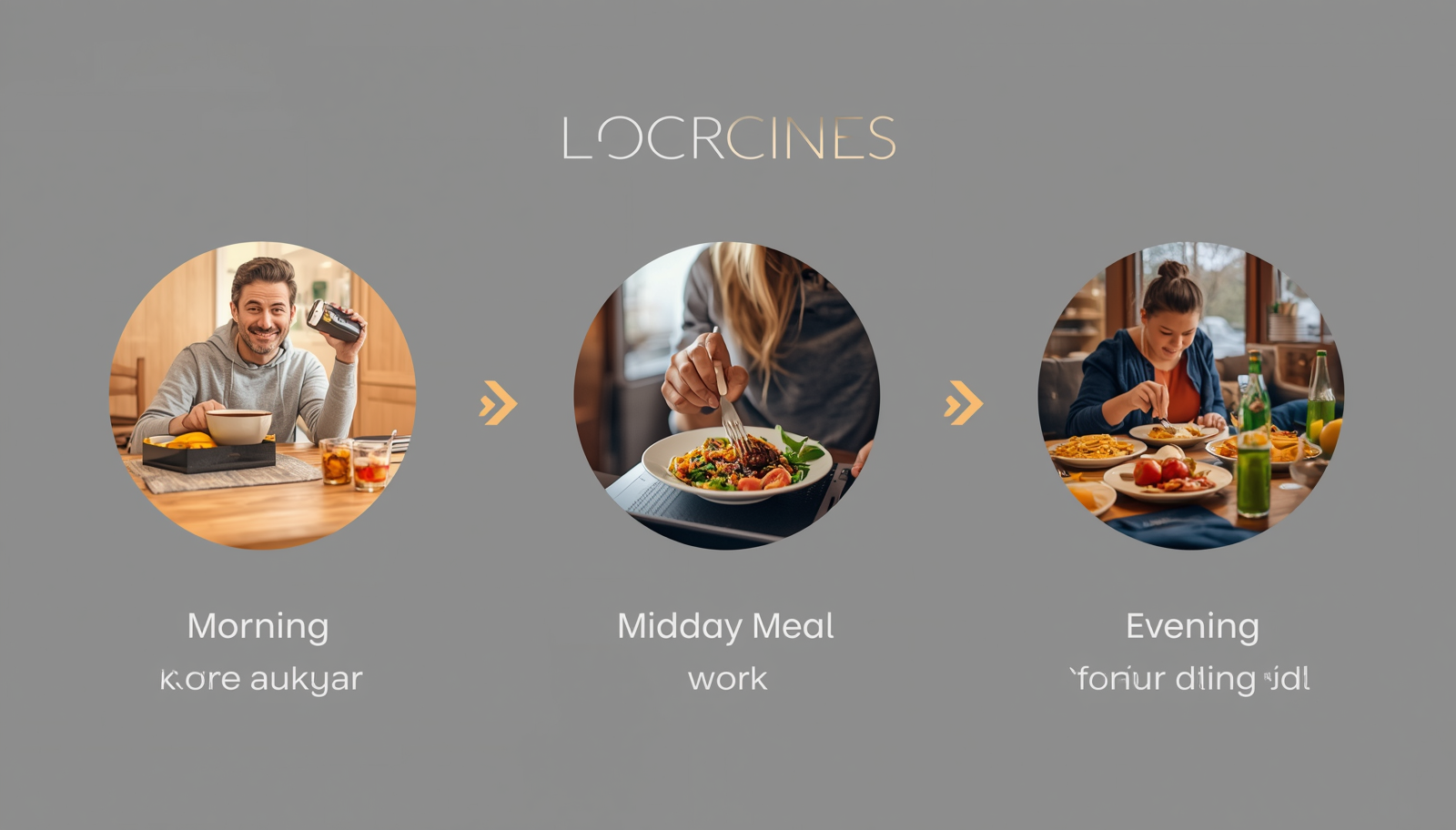
A balanced diet includes three main meals and optional snacks.
Morning Meal
The morning meal starts daily energy intake.
Example:
- Oats or bread
- Eggs or dairy
- Fruit
- Water
Midday Meal
The midday meal supports main energy needs.
Example:
- Rice or bread
- Protein source
- Vegetables
- Water
Evening Meal
The evening meal supports recovery and rest.
Example:
- Protein source
- Vegetables
- Controlled carbohydrates
- Water
Snacks
Snacks help maintain energy between meals.
Examples:
- Fruit
- Nuts
- Yogurt
Meal Timing for Beginners
Meal timing helps maintain energy stability.
Basic structure:
- Morning meal after waking
- Midday meal after several hours
- Evening meal before rest
- Snacks when needed
Consistency is more important than strict timing.
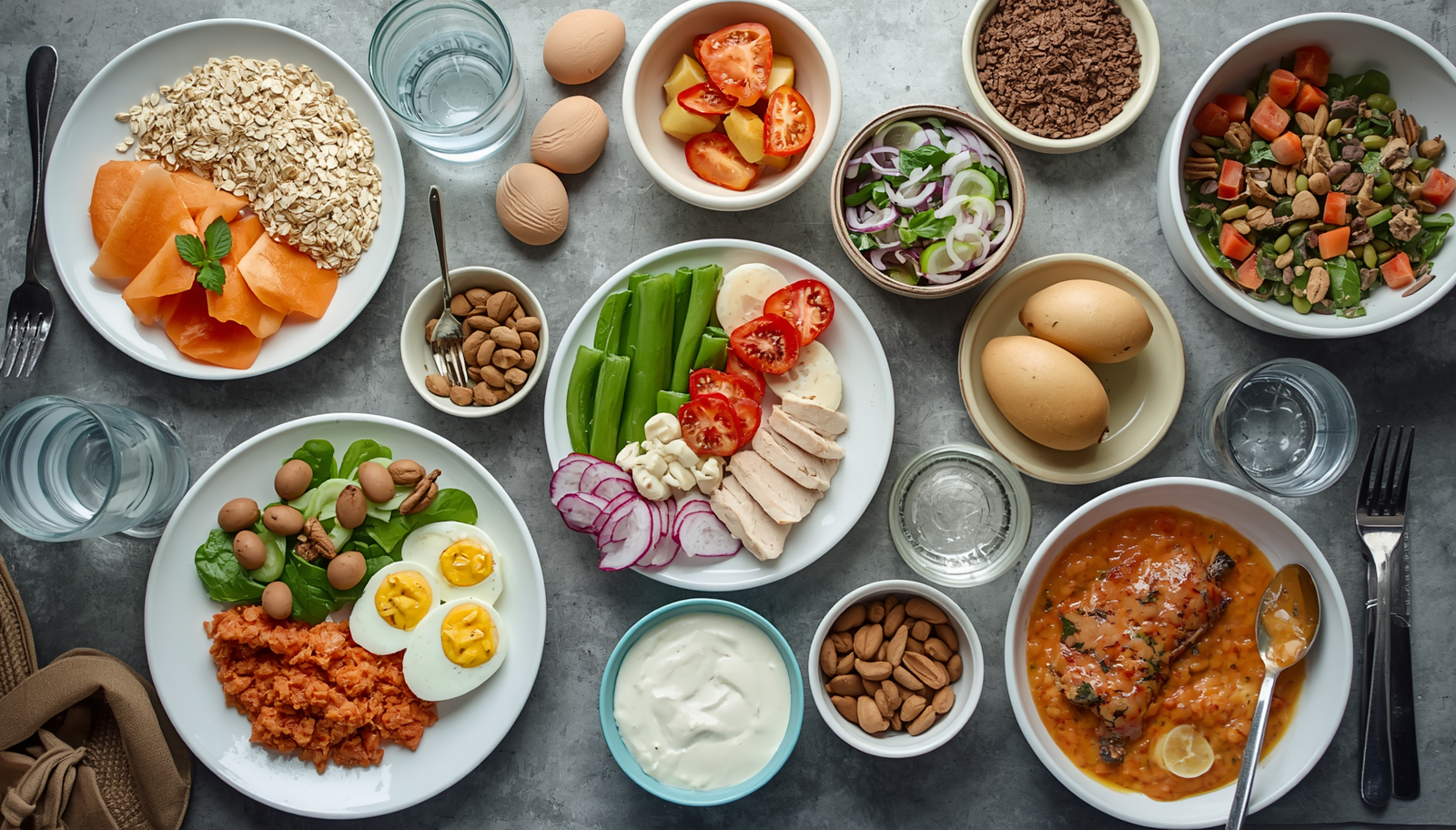
Portion Control Method
Portion control helps beginners manage food intake.
Simple method:
- Half plate vegetables
- One portion protein
- One portion carbohydrates
- Small portion fats
This helps maintain balance without tracking systems.
Healthy Eating Habits for Beginners
Regular Meal Timing
Eating at consistent times supports energy balance.
Food Variety
Different foods provide different nutrients.
Reduced Processed Food
Processed foods reduce nutrient balance.
Water Intake
Water supports digestion and energy levels.
Common Beginner Mistakes
Skipping Meals
Skipping meals affects energy stability.
Overeating Processed Food
Processed food increases calorie intake without nutrients.
Low Protein Intake
Low protein affects body repair and balance.
Irregular Routine
Irregular eating affects consistency.
Simple Daily Balanced Diet Example
Morning:
- Oats
- Eggs
- Fruit
- Water
Midday:
- Rice
- Chicken or lentils
- Vegetables
- Water
Snack:
- Nuts or yogurt
Evening:
- Fish or beans
- Vegetables
- Controlled carbohydrates
- Water
Balanced Diet and Lifestyle Connection
Balanced diet affects:
- Energy levels
- Work performance
- Physical activity
- Sleep patterns
Stable nutrition supports stable lifestyle habits.
Adjusting Diet Based on Activity Level
Low Activity
Lower calorie intake
Moderate food portions
Medium Activity
Balanced intake across meals
High Activity
Higher carbohydrate and protein intake
Long-Term Balanced Diet Approach
A balanced diet is a long-term system. It requires consistency rather than short-term changes.
Key actions:
- Maintain structured meals
- Keep timing regular
- Adjust portions gradually
- Monitor food intake patterns