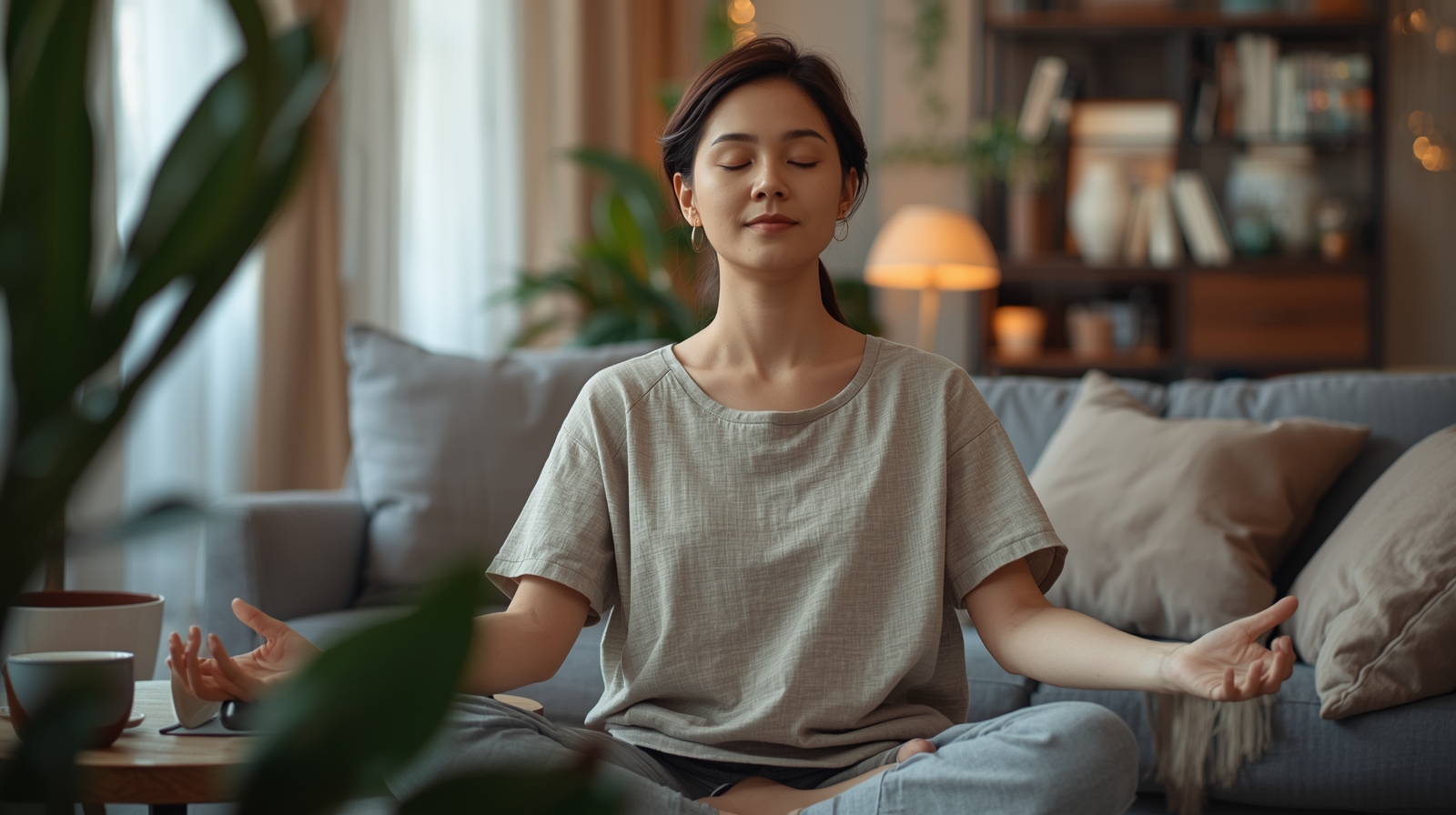
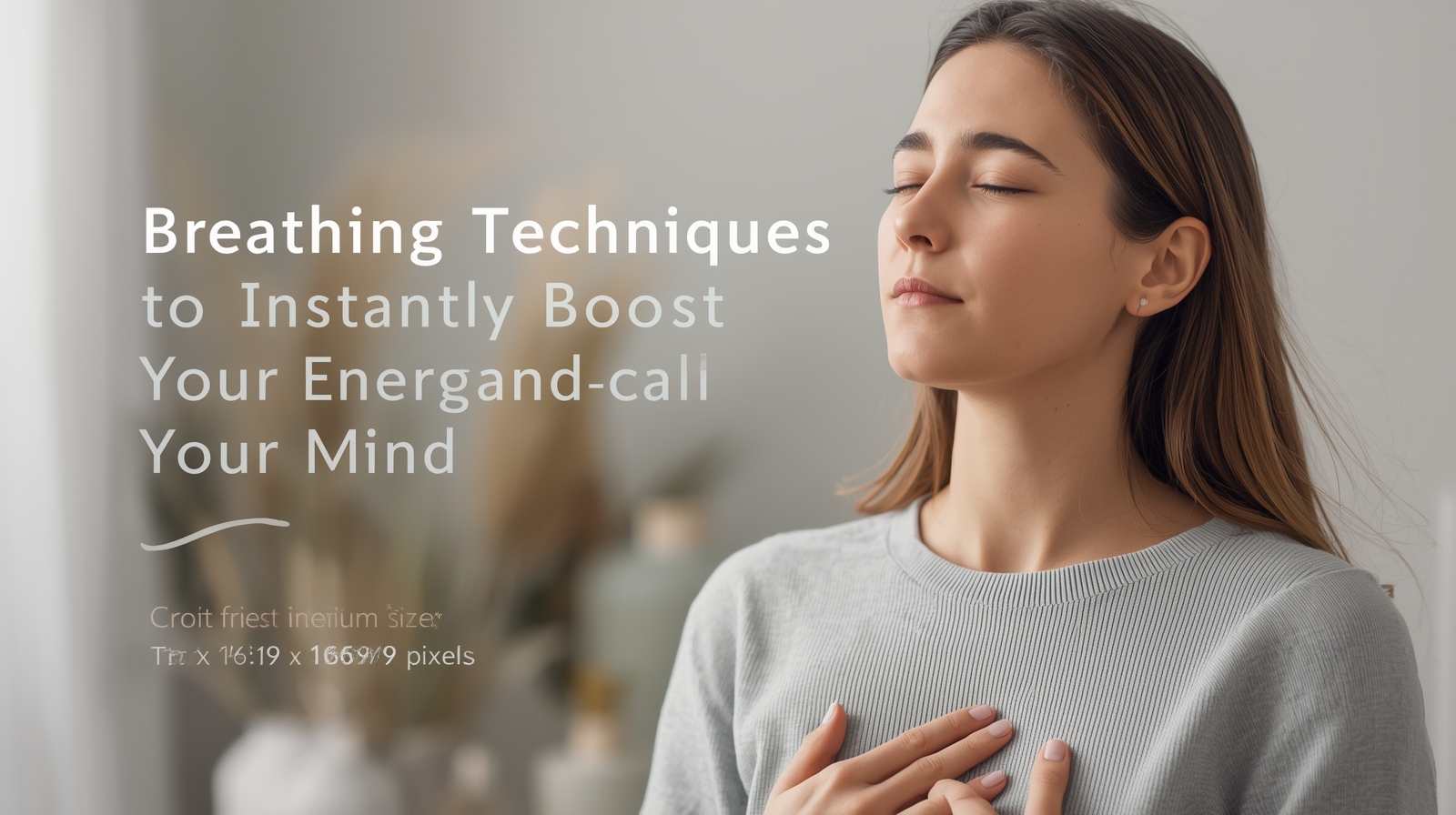
It’s amazing how something as simple as breathing—something we do about 20,000 times a day without thinking—can completely transform how we feel, think, and perform.
In today’s fast-paced digital world, our breathing has become shallow and rushed, mirroring our lifestyles. Many of us spend hours hunched over screens, inhaling stress and exhaling fatigue. The result? Mental fog, low energy, and emotional burnout.
Yet, nature built an incredible tool right inside us—a built-in stress reliever and energy charger that costs nothing, needs no special equipment, and can be practiced anywhere. That tool is your breath.
Research from Harvard Medical School and Stanford University shows that controlled breathing not only reduces stress and anxiety but also enhances oxygen flow, stabilizes heart rate, and boosts energy levels within minutes.
In this article, you’ll discover scientifically proven breathing techniques that instantly recharge your energy, sharpen your focus, and calm your mind—perfect for busy professionals, creatives, or anyone who needs a quick reset during the day.
🧠 Why Your Breath Controls Your Energy and Focus
Before diving into techniques, it’s important to understand why breathing matters so much to your physical and mental performance.
When you breathe deeply and rhythmically:
- Your lungs deliver more oxygen to your bloodstream.
- Your brain receives that oxygen to power cognitive functions.
- Your nervous system switches from “fight or flight” mode to “rest and recharge” mode.
But when breathing becomes shallow (as it often does during stress or long screen time), your brain gets less oxygen. That triggers fatigue, irritability, and lack of concentration.
According to Johns Hopkins Medicine, conscious breathing increases oxygen uptake by 20–30%, directly improving mental alertness and reducing physical tension.
In short:
The way you breathe shapes the way you feel.
Now, let’s explore the breathing techniques that can help you reclaim calm and energy instantly—no caffeine, no equipment, no noise.
🌞 1. The Energizing “Morning Power Breath”
Start your day with a breath that wakes your body up better than coffee.
💨 How to Do It:
- Sit or stand tall with your spine straight.
- Inhale quickly and deeply through your nose for 2 seconds.
- Exhale forcefully through your mouth for 2 seconds.
- Repeat this rhythm for 1 minute.
This rhythmic breathing boosts oxygen levels and increases circulation to the brain.
A University of California study found that just one minute of vigorous breathing increases oxygen saturation by up to 15%, improving alertness and focus.
⚡ Pro Tip: Use this technique before meetings, workouts, or long drives to feel instantly energized.
🌊 2. Box Breathing — The Navy SEAL Focus Technique
Used by Navy SEALs and elite athletes, this technique trains your brain to stay calm and sharp under pressure.
🟩 How to Do It:
- Inhale through your nose for 4 seconds.
- Hold your breath for 4 seconds.
- Exhale through your mouth for 4 seconds.
- Hold again for 4 seconds.
- Repeat the cycle 5–10 times.
The square pattern (4-4-4-4) balances oxygen and CO₂ levels, lowers heart rate, and reduces anxiety.
The Cleveland Clinic reports that box breathing activates the parasympathetic nervous system, lowering stress and improving cognitive control within 2–3 minutes.
🧘 Best for: Midday reset breaks, pre-presentation calm, or post-stress recovery.
🔥 3. The Kapalabhati “Skull Shining” Breath (Energy Cleanse)
A traditional yogic technique, Kapalabhati means “shining skull” because it clears the mind and brightens your energy instantly.
🌬️ How to Do It:
- Sit tall and relax your shoulders.
- Take a deep inhale.
- Exhale sharply through your nose while contracting your abdomen.
- Let your inhale happen naturally.
- Repeat for 20–30 rounds, rest, and repeat up to 3 cycles.
This rapid, rhythmic breathing increases blood flow to the brain and removes carbon dioxide buildup—leaving you feeling clear and awake.
A 2019 Journal of Alternative Medicine study found that Kapalabhati improved alertness and mood after just five minutes of practice.
⚡ Caution: Avoid if you have high blood pressure or respiratory conditions.
🌿 4. The 4-7-8 Relaxation Breath
Created by Dr. Andrew Weil from Harvard University, this method helps you relax instantly by slowing your heart rate and increasing carbon dioxide tolerance (which promotes calm).
💨 How to Do It:
- Inhale through your nose for 4 seconds.
- Hold your breath for 7 seconds.
- Exhale through your mouth slowly for 8 seconds.
- Repeat 4 times.
This pattern lowers cortisol and helps release built-up mental tension.
In a 2021 Frontiers in Human Neuroscience study, participants practicing the 4-7-8 breath reported significant reductions in stress and improved sleep quality.
🌙 Best for: Calming anxiety before bed or reducing tension during work.
🫁 5. The Alternate Nostril Breath (Nadi Shodhana)
This ancient breathing technique balances both hemispheres of your brain—enhancing focus, emotional stability, and overall mental clarity.
👃 How to Do It:
- Sit comfortably and close your right nostril with your thumb.
- Inhale through your left nostril for 4 seconds.
- Close your left nostril and exhale through your right for 4 seconds.
- Inhale through your right nostril, exhale through your left—that’s one cycle.
- Repeat 10–12 cycles.
Research from the International Journal of Yoga found that alternate nostril breathing significantly reduces anxiety and enhances focus by harmonizing neural activity.
🧘 Best for: Pre-meeting focus, creative work, or balancing emotional stress.
☀️ 6. The Breath of Joy
This energizing breath blends movement with breathing to instantly lift mood and oxygenate the body.
🙌 How to Do It:
- Stand tall, feet shoulder-width apart.
- Take three sharp inhales through your nose while raising your arms (front, side, overhead).
- Exhale forcefully through your mouth while bending forward and swinging your arms down.
- Repeat 5–10 times.
This technique increases heart rate slightly, boosts endorphins, and refreshes your mental energy.
According to Yoga Journal and studies from Emory University, combining breath with movement activates the prefrontal cortex, improving both energy and mood regulation.
🎉 Best for: Afternoon slumps or post-meeting fatigue.
🌙 7. The Cooling Breath (Sitali Pranayama)
This technique literally cools your body temperature and calms overstimulation—a perfect remedy for digital or emotional burnout.
🧊 How to Do It:
- Roll your tongue into a tube (or purse your lips if you can’t).
- Inhale slowly through your tongue or lips.
- Close your mouth and exhale gently through your nose.
- Repeat for 1–3 minutes.
It reduces internal heat and slows heart rate.
A 2020 Journal of Ayurveda and Integrative Medicine study showed that cooling breath practices decrease core body temperature and anxiety while improving emotional stability.
💧 Best for: Stressful workdays, after workouts, or during hot weather.
🧘♀️ 8. Coherent Breathing for Balance and Focus
Coherent breathing trains you to maintain a steady rhythm of 5–6 breaths per minute, which naturally aligns your heart and brain rhythms.
💫 How to Do It:
- Inhale through your nose for 5 seconds.
- Exhale through your nose for 5 seconds.
- Continue for 5–10 minutes.
The HeartMath Institute reports that this simple rhythm synchronizes heart rate variability (HRV) and promotes mental clarity, resilience, and calm energy.
💡 Tip: Use background music with a slow rhythm (60 bpm) to guide your pace.
🔄 9. The Reset Breath (for Instant Grounding)
When you feel overwhelmed or distracted, this technique helps “reset” your nervous system in under a minute.
⚖️ How to Do It:
- Take a long, deep inhale through your nose.
- Exhale through your mouth with a gentle sigh.
- Repeat 3–5 times, focusing on the sound and feeling of your breath.
Research from Psychology Today confirms that slow exhalations trigger the vagus nerve, promoting calm and focus instantly.
🧠 Best for: Midday stress, performance anxiety, or emotional overload.
🌺 10. Resonance Breathing — The Science of Inner Calm
Resonance breathing is a scientifically validated technique used in clinical settings to reduce anxiety and depression.
🫀 How to Do It:
- Inhale for 5.5 seconds.
- Exhale for 5.5 seconds.
- Continue for 5 minutes.
A National Institutes of Health study found that resonance breathing increases parasympathetic activation, improving mood, focus, and cardiovascular efficiency.
🌿 Best for: End-of-day decompression or post-meeting resets.
🪷 11. Progressive Relaxation Breathing
This combines breath awareness with physical relaxation to relieve accumulated tension.
🌼 How to Do It:
- Take a deep breath in while tightening one body part (like fists).
- Exhale and release the tension completely.
- Move through each part: shoulders, jaw, abdomen, legs.
This method activates your body-mind connection, relieving stress stored in muscles.
The Journal of Behavioral Medicine reports that progressive relaxation breathing reduces physical stress by up to 45% in office workers.
💡 How to Incorporate Breathing Breaks Into Your Day
Building consistency is key. Here’s how you can integrate breathing techniques naturally into your daily routine:
| Time | Breathing Technique | Purpose |
|---|---|---|
| Morning | Power Breath / Breath of Joy | Energize your body |
| Midday | Box Breathing / Coherent Breathing | Regain focus |
| Afternoon | Kapalabhati / Alternate Nostril | Overcome fatigue |
| Evening | 4-7-8 / Resonance Breathing | Calm and unwind |
| Anytime | Reset Breath | Instant stress relief |
⏰ Tip: Use short breathing alarms (every 2 hours) as reminders. Just 2–3 minutes of deep breathing every few hours can improve overall productivity and calmness by 25–30%, according to Harvard Health.
🌿 The Science Behind Breathing and Brain Energy
Why does breath have such a strong impact?
- Oxygen fuels brain cells. Your brain consumes 20% of your body’s oxygen supply. Better breathing means better thinking.
- Breathing regulates CO₂ levels, which affect blood pH and neural function.
- Rhythmic breathing activates the vagus nerve, turning off your body’s stress response.
In a 2022 Nature Scientific Reports study, slow, mindful breathing improved emotional regulation and enhanced cognitive performance under stress.
In essence, breathing is the most direct way to control your body’s energy and emotional state.
🌙 3-Minute Office Breathing Routine
Here’s a quick daily breathing routine you can do right at your desk:
- Sit tall, feet flat on the floor.
- Inhale through your nose for 4 seconds.
- Hold your breath for 4 seconds.
- Exhale slowly for 6 seconds.
- Repeat for 3 minutes.
🎧 Play soft instrumental music or nature sounds in the background. You’ll feel calmer, clearer, and more energized—no coffee required.
🌈 Conclusion: Breathe to Recharge Your Life
The fastest way to change how you feel isn’t through caffeine, screens, or motivation quotes — it’s through your breath.
Every conscious inhale nourishes your body. Every mindful exhale releases stress.
By practicing even one or two of these breathing techniques daily, you’ll:
- Recharge your energy naturally
- Improve your focus and creativity
- Sleep deeper and recover faster
- Feel calmer and more present in every moment
You don’t need to escape your work or your city to recharge. You just need to pause — and breathe.
“When you own your breath, no one can steal your peace.”
— Anonymous
🔬 Research References
- Harvard Medical School (2021): Controlled Breathing and Nervous System Regulation
- Stanford University (2020): Breathwork and Cognitive Function
- Cleveland Clinic (2019): Box Breathing and Stress Reduction
- Frontiers in Human Neuroscience (2021): 4-7-8 Breathing Study
- International Journal of Yoga (2020): Alternate Nostril Breathing Effects
- Journal of Alternative Medicine (2019): Kapalabhati and Energy Enhancement
- Journal of Behavioral Medicine (2020): Progressive Relaxation Benefits
- HeartMath Institute (2020): Coherent Breathing and HRV Improvement
- NIH (2021): Resonance Breathing and Mood Regulation
- Nature Scientific Reports (2022): Breathwork and Cognitive Performance