You know that feeling around 2 p.m.—your brain feels foggy, your eyelids heavy, and even your coffee seems to stop working. Most people push through it with another caffeine hit, but what if the smartest move wasn’t another latte… but a nap?
Yes, a nap.
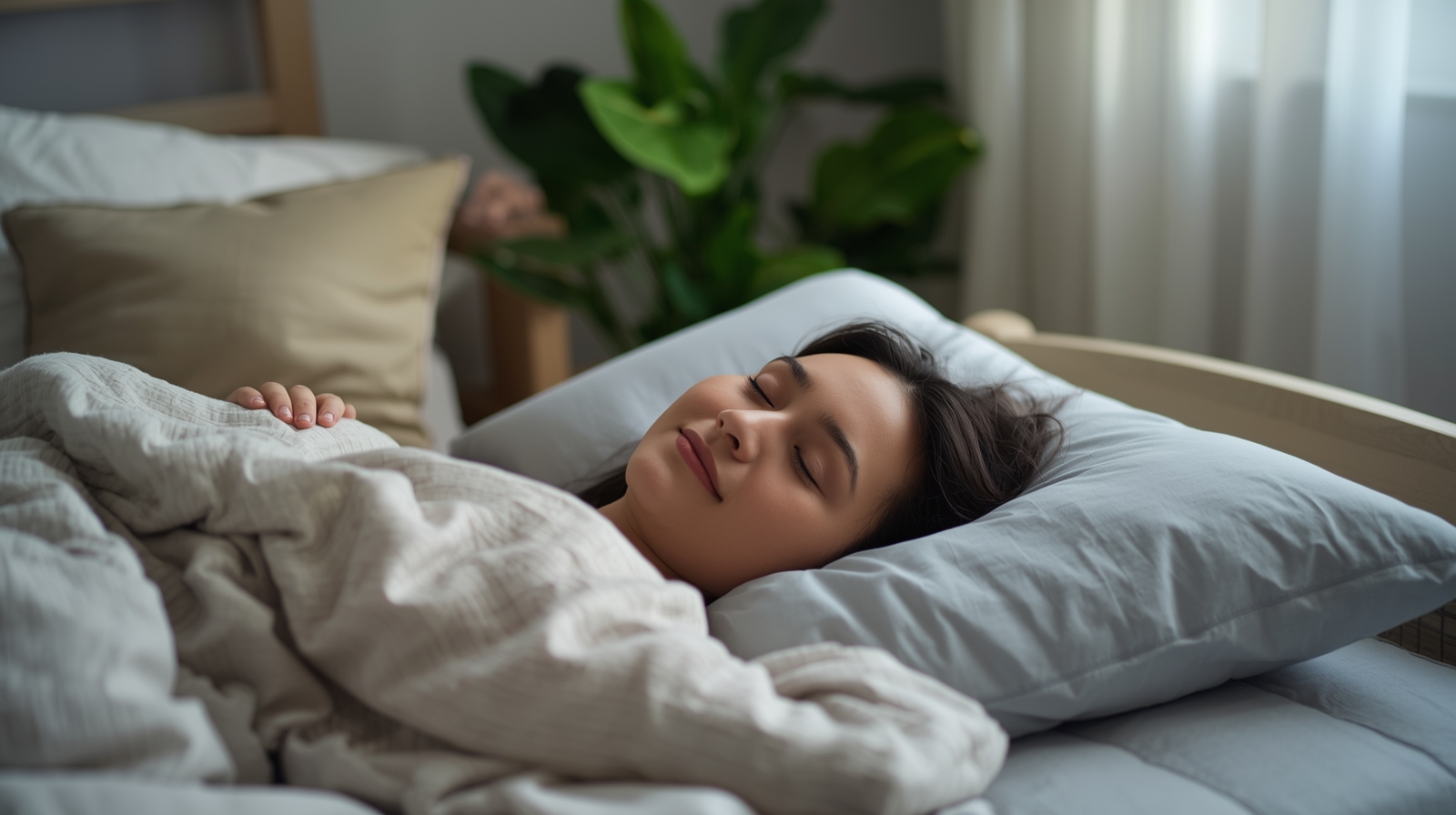
Not a long, lazy, weekend nap that leaves you groggy, but a short, strategic “power nap” designed to recharge your energy, boost creativity, and sharpen your focus—in just a few minutes.
Research from NASA found that a 26-minute nap improves performance by 34% and alertness by 54%. Top athletes, CEOs, and even astronauts use short naps as their secret productivity weapon.
In this article, you’ll discover:
- The science behind why power naps work
- How long your nap should be for maximum energy
- The best timing, environment, and post-nap routines
- And a proven, step-by-step “Power Nap Formula” you can apply anywhere—home, office, or even your car.
Let’s dive in and unlock the nap science that can transform your energy and focus in minutes.
🧠 The Science Behind Napping and Energy
To understand why power naps work, we need to look at your sleep architecture—the natural rhythm of your brain waves during rest.
When you fall asleep, your brain cycles through several stages:
| Stage | Type | Purpose |
|---|---|---|
| Stage 1 | Light Sleep | Transition from wakefulness |
| Stage 2 | Deeper Sleep | Memory consolidation, muscle relaxation |
| Stage 3 | Slow-Wave (Deep Sleep) | Physical recovery |
| REM | Dream Sleep | Emotional processing, creativity |
A power nap strategically ends before you hit deep sleep (Stage 3). That’s key—because waking up during deep sleep causes grogginess known as “sleep inertia.”
Studies by the National Sleep Foundation show that the sweet spot for a power nap is 10–30 minutes—long enough to refresh your mind, but short enough to avoid that sluggish post-nap haze.
“A well-timed nap doesn’t take time away from your day—it gives you back more productive hours.”
⏱️ The Perfect Nap Length: Finding Your Sweet Spot
Different nap lengths serve different purposes. Here’s how to choose yours:
| Nap Duration | Nickname | Benefit | Best For |
|---|---|---|---|
| 10–20 minutes | Power Nap | Energy, alertness | Office or work breaks |
| 30 minutes | Groggy Nap | Deep rest, some grogginess | If you can rest longer |
| 60 minutes | Brain Nap | Memory + learning boost | Students, creatives |
| 90 minutes | Full Sleep Cycle | Physical + emotional restoration | Shift workers, travel recovery |
✅ Optimal Formula:
Aim for 15–25 minutes around 1–3 p.m. to align with your body’s natural circadian dip.
🌞 Why Power Naps Beat Caffeine
It’s easy to grab another coffee when you feel tired—but caffeine tricks your brain; it doesn’t restore it.
Here’s what happens:
- Caffeine blocks adenosine, the molecule that makes you sleepy.
- But adenosine keeps building up. When caffeine wears off, you crash harder.
A nap, on the other hand, flushes adenosine naturally and reboots your alertness—without jitters or energy debt.
A UC Berkeley study found that short naps not only restore alertness but also improve learning capacity by 40%.
So instead of that 3rd coffee, try a 20-minute nap. It’s your brain’s natural espresso shot. ☕💤
🧬 The Science of the “Power Nap Formula”
Let’s break down the Power Nap Formula into five simple phases:
- Prepare Your Space – Set the right conditions for a quick drop into light sleep.
- Set the Right Duration – Use the 20-minute golden rule.
- Control Light & Noise – Signal to your brain that it’s time to rest.
- Wake Strategically – Use sound, light, or timing cues to wake gently.
- Reboot Mindfully – Transition smoothly back to wakefulness.
Let’s go deeper into each one.
🛋️ Phase 1: Prepare Your Space
Even a 10-minute nap can recharge you—if your environment supports it.
✅ Ideal Nap Environment:
- Quiet, dim, and cool (around 68–72°F / 20–22°C)
- Comfortable but not too cozy (you don’t want to slip into deep sleep)
- Eye mask + earbuds if you’re in an office or public space
- Reclined position, not lying flat—this keeps your body semi-alert
💡 Pro Tip: Keep a small pillow, travel blanket, or neck support nearby. Even a sweater folded behind your neck helps.
If you’re napping at work, use your car seat, break room, or even a quiet meeting space. Just 15 minutes with closed eyes and deep breathing can change your entire afternoon.
⏲️ Phase 2: Set the Right Duration
The 20-minute rule is golden because it prevents sleep inertia.
Here’s why:
- 0–5 minutes: Drifting from wake to light sleep
- 5–20 minutes: Stage 2 (restorative light sleep)
- 20+ minutes: Risk of entering slow-wave sleep → grogginess
Use an alarm set to 25 minutes max, giving yourself a few minutes to fall asleep.
If you’re extremely tired, a 90-minute full sleep cycle can help reset your body completely—but reserve that for weekends or travel.
🌙 Phase 3: Light & Noise Control
Light tells your brain it’s time to stay awake. Darkness signals rest.
That’s because your pineal gland produces melatonin, the sleep hormone, only when light is low.
To nap effectively:
- Dim lights or use an eye mask
- Use white noise or soft ambient music to block distractions
- Silence notifications—airplane mode is your friend
🎧 Try sound apps like Calm, Headspace, or Rainy Mood for short nap sessions.
⏰ Phase 4: Wake Strategically
The key to waking refreshed is avoiding abrupt alarms that jolt you awake.
Better wake-up methods:
- Gentle alarms (gradual light or nature sounds)
- Soft vibrations (smartwatch or phone under pillow)
- Stretch + breathe deeply immediately after waking
When you wake, take three deep breaths, stretch your body, and move your shoulders. This signals your nervous system to transition smoothly from sleep to alertness.
💡 Bonus Trick: Drink a small cup of coffee right before your nap—known as a “coffee nap.”
Caffeine takes about 20 minutes to kick in, so it hits just as you’re waking up—doubling your alertness.
NASA pilots and Formula 1 drivers swear by this trick.
🌤️ Phase 5: Reboot Mindfully
Don’t rush back to work immediately after waking. Give yourself 2–3 minutes to reboot.
Try this quick routine:
- Sit up slowly and stretch your arms.
- Drink water to rehydrate.
- Breathe deeply for 1 minute.
- Step into sunlight if possible.
Light exposure tells your brain it’s daytime again and boosts serotonin—your mood and motivation hormone.
Within 5 minutes, you’ll feel sharp, awake, and ready to go.
⚙️ The Perfect Power Nap Formula (Step-by-Step Summary)
| Step | Action | Purpose |
|---|---|---|
| 1 | Find a quiet, dim spot | Prepare your environment |
| 2 | Set alarm for 20–25 mins | Prevent deep sleep grogginess |
| 3 | Optional: drink coffee before nap | Coffee nap boost |
| 4 | Eye mask + white noise | Signal rest |
| 5 | Nap lightly (don’t force sleep) | Brain reset |
| 6 | Gentle wake-up | Avoid stress |
| 7 | Hydrate, breathe, stretch | Smooth transition |
Follow this formula daily, and you’ll notice your energy, focus, and creativity increasing dramatically within a week.
🌻 When’s the Best Time to Nap?
Timing matters. The best time for a power nap depends on your circadian rhythm.
- Early risers: 12:30–1:30 p.m.
- Night owls: 2:30–3:30 p.m.
Why? That’s when your core body temperature dips naturally, signaling your brain that it’s safe to rest.
Avoid napping too late (after 4 p.m.)—it can interfere with nighttime sleep.
🧘♀️ Combine Napping with Mindful Breathing
Can’t fall asleep easily? Combine your nap with relaxation breathing.
Try the 4-7-8 technique:
- Inhale for 4 seconds
- Hold for 7 seconds
- Exhale for 8 seconds
Repeat this cycle 3–5 times. It slows your heart rate and calms your nervous system, making it easier to drift off quickly.
Even if you don’t fall fully asleep, this rest period still restores focus and lowers stress hormones.
🧩 Micro-Naps: Power Naps for the Ultra-Busy
If your schedule barely allows 10 minutes, try micro-napping—short 3-to-5-minute rest sessions.
You don’t even have to sleep fully; just closing your eyes and focusing on slow breathing restores oxygen to your brain and improves attention.
A 2019 Japanese Sleep Research Society study found that 6-minute micro-naps improved memory and reaction time significantly.
💡 Try: 5-minute desk reset
- Close eyes
- Slow breathing
- Head supported or tilted slightly
- Silence phone
You’ll reopen your eyes feeling mentally lighter.
🌙 Why You Shouldn’t Feel Guilty About Napping
Many people associate naps with laziness—but science says otherwise.
Cultures that embrace napping—like Spain’s siesta or Japan’s inemuri—report higher productivity and longer lifespans.
Top performers like Leonardo da Vinci, Winston Churchill, and Albert Einstein were daily nappers.
A Harvard study even found that regular nappers have 37% lower risk of heart disease and better emotional balance.
“Rest isn’t weakness—it’s a recovery strategy.”
💡 Common Mistakes to Avoid
| ❌ Mistake | 💭 Why It Hurts Your Nap | ✅ Fix |
|---|---|---|
| Napping too long | Enters deep sleep → grogginess | Set alarm for 20–25 mins |
| Napping too late | Disrupts nighttime sleep | Nap before 4 p.m. |
| Too much light/noise | Brain stays alert | Use mask & white noise |
| Forcing sleep | Increases anxiety | Focus on resting, not sleeping |
| No post-nap routine | Grogginess lingers | Stretch, hydrate, breathe |
⚡ Power Nap Hacks for Maximum Energy
- The Coffee-Nap Combo: Drink coffee, nap 20 minutes—wake doubly alert.
- Cool Environment: Cooler air speeds up falling asleep.
- Light Blockers: Eye masks increase melatonin by 50%.
- Power Playlist: Try binaural beats at 0.5–4 Hz.
- Regular Routine: Nap at the same time daily for consistency.
📈 The Benefits You’ll Notice Within a Week
With consistent short naps, you’ll start feeling:
- ⚡ More alert and productive in the afternoon
- 💡 Sharper memory and focus
- 💖 Better mood and emotional stability
- 💤 Improved nighttime sleep quality
- 🧘♂️ Less stress and mental fatigue
According to Stanford Medicine, employees who nap regularly report 23% higher productivity and 30% lower stress levels.
🌿 The Power Nap Routine for Modern Professionals
Here’s a simple daily schedule:
| Time | Routine | Goal |
|---|---|---|
| 12:45 p.m. | Short walk or light lunch | Prepare body for rest |
| 1:15 p.m. | 20-minute power nap | Energy reboot |
| 1:40 p.m. | Stretch + water + sunlight | Reawaken body |
| 1:45 p.m. | Resume work | Focus and creativity peak |
Try this for a week, and you’ll transform your afternoons from sluggish to supercharged.
🌈 Conclusion: Rest Like a Pro, Rise Like a Leader
In a world that glorifies hustle, rest has become a competitive advantage.
A perfect power nap isn’t laziness—it’s neuroscience. It restores your brain’s chemistry, resets your emotions, and renews your creativity in less time than a coffee break.
By following the Power Nap Formula—right timing, environment, and gentle wake-up—you can recharge your mind and body naturally, in minutes.
Remember:
“Rest is not a pause from progress—it’s part of progress.”
So, tomorrow afternoon, instead of fighting fatigue, close your eyes, breathe deeply, and let a short nap refuel your energy for the rest of your day.
Because sometimes, the most productive thing you can do… is nap. 😌
🧾 Research References
- NASA Study on Pilot Fatigue, 2021
- National Sleep Foundation, Optimal Nap Length, 2020
- Harvard Health, Napping and Cardiovascular Benefits, 2019
- UC Berkeley, Memory and Learning Enhancement via Napping, 2018
- Stanford Medicine, Sleep and Workplace Performance, 2022
- Japanese Sleep Research Society, Micro-Napping and Cognitive Recovery, 2019
- Cleveland Clinic, Circadian Rhythm and Midday Energy Dips, 2020
- Journal of Clinical Sleep Medicine, Coffee Naps and Alertness, 2021