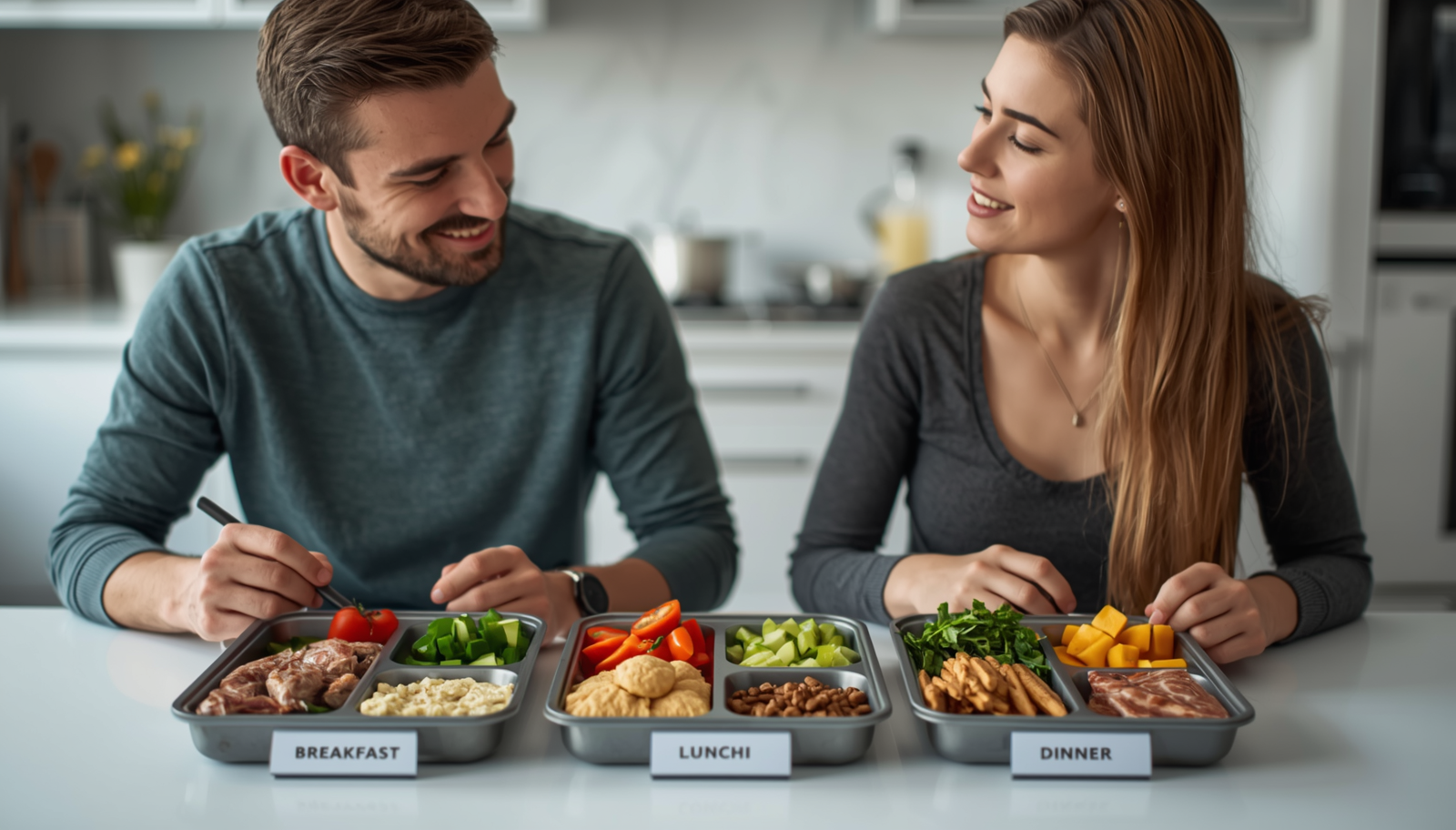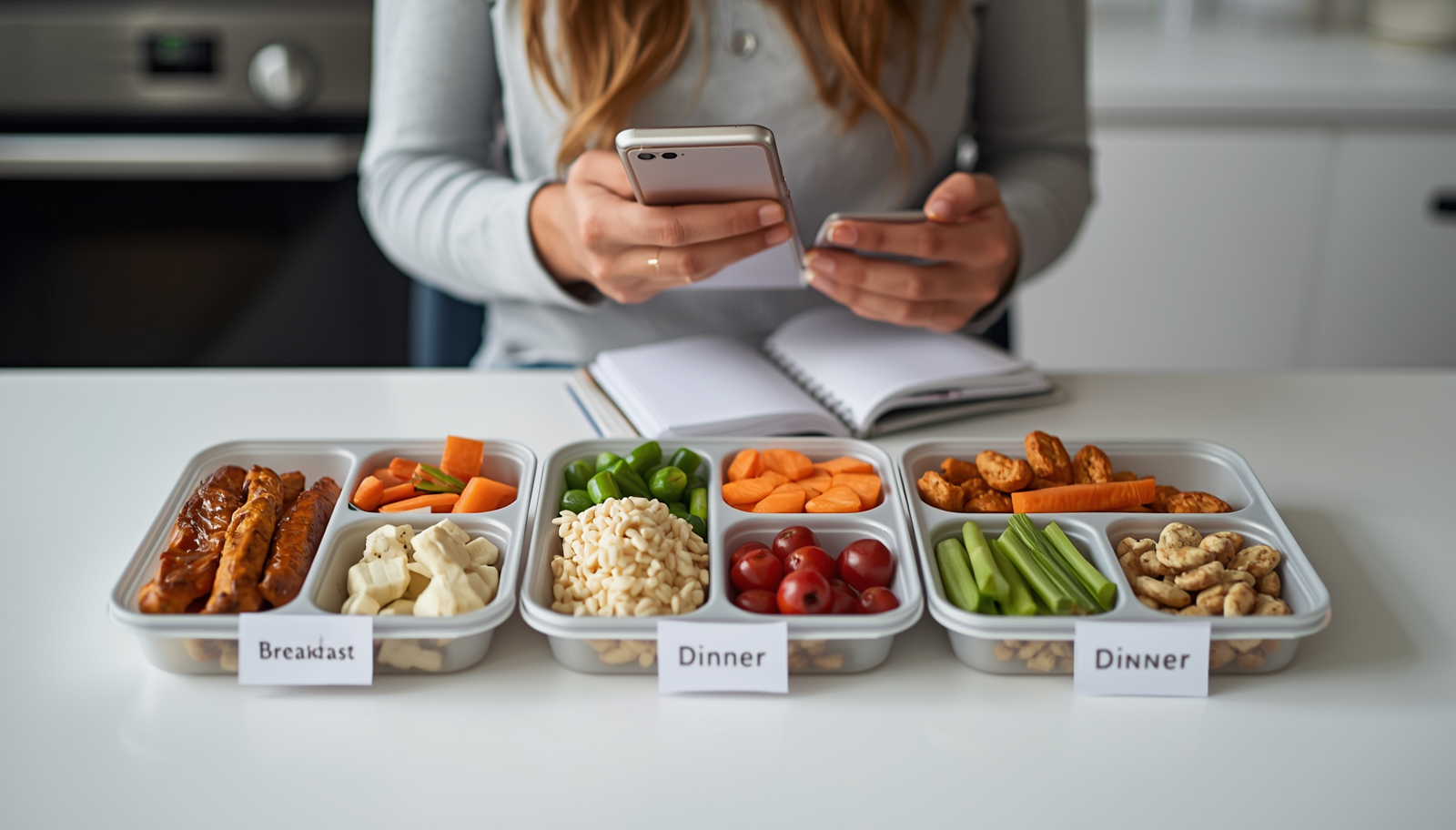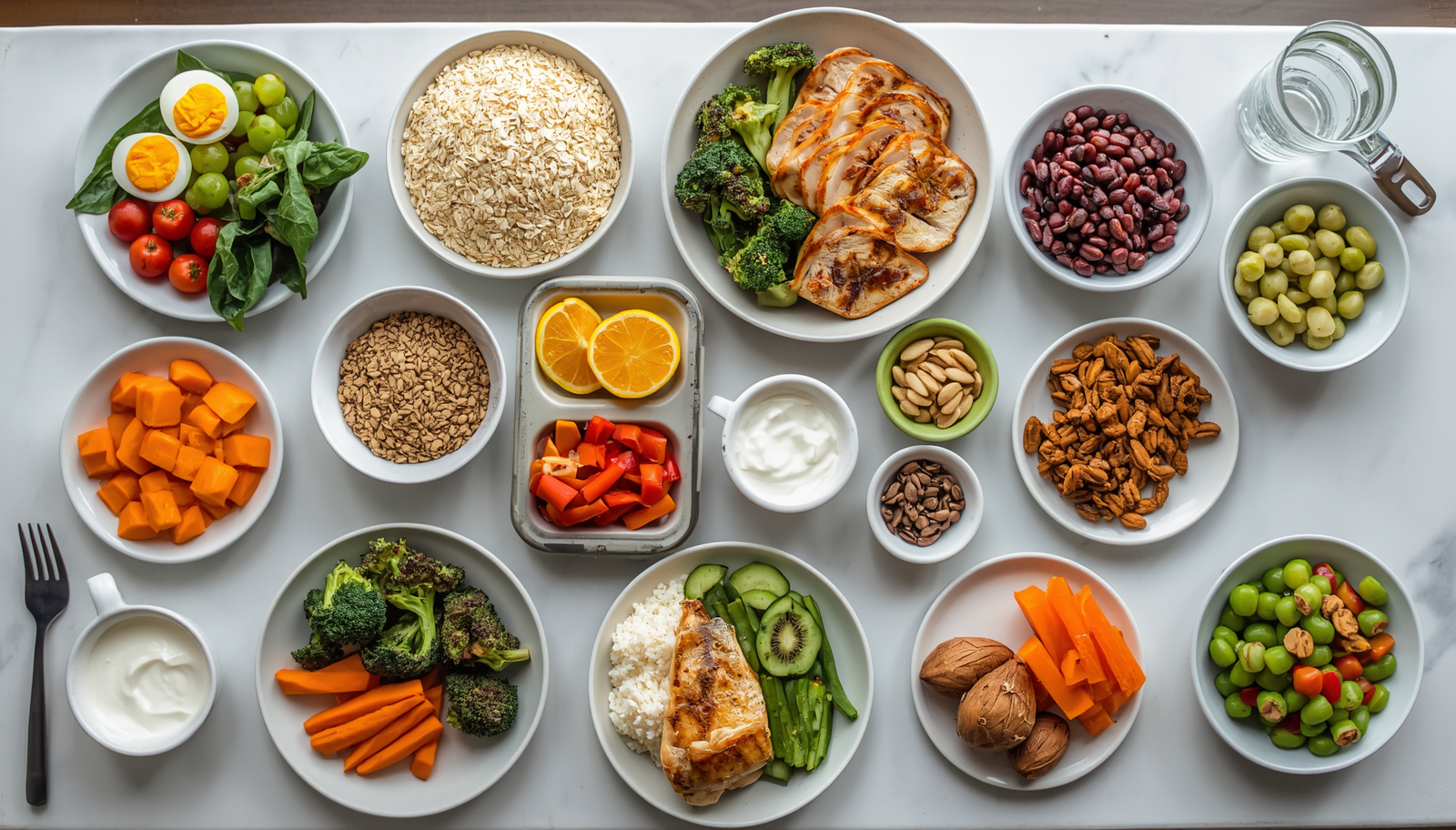
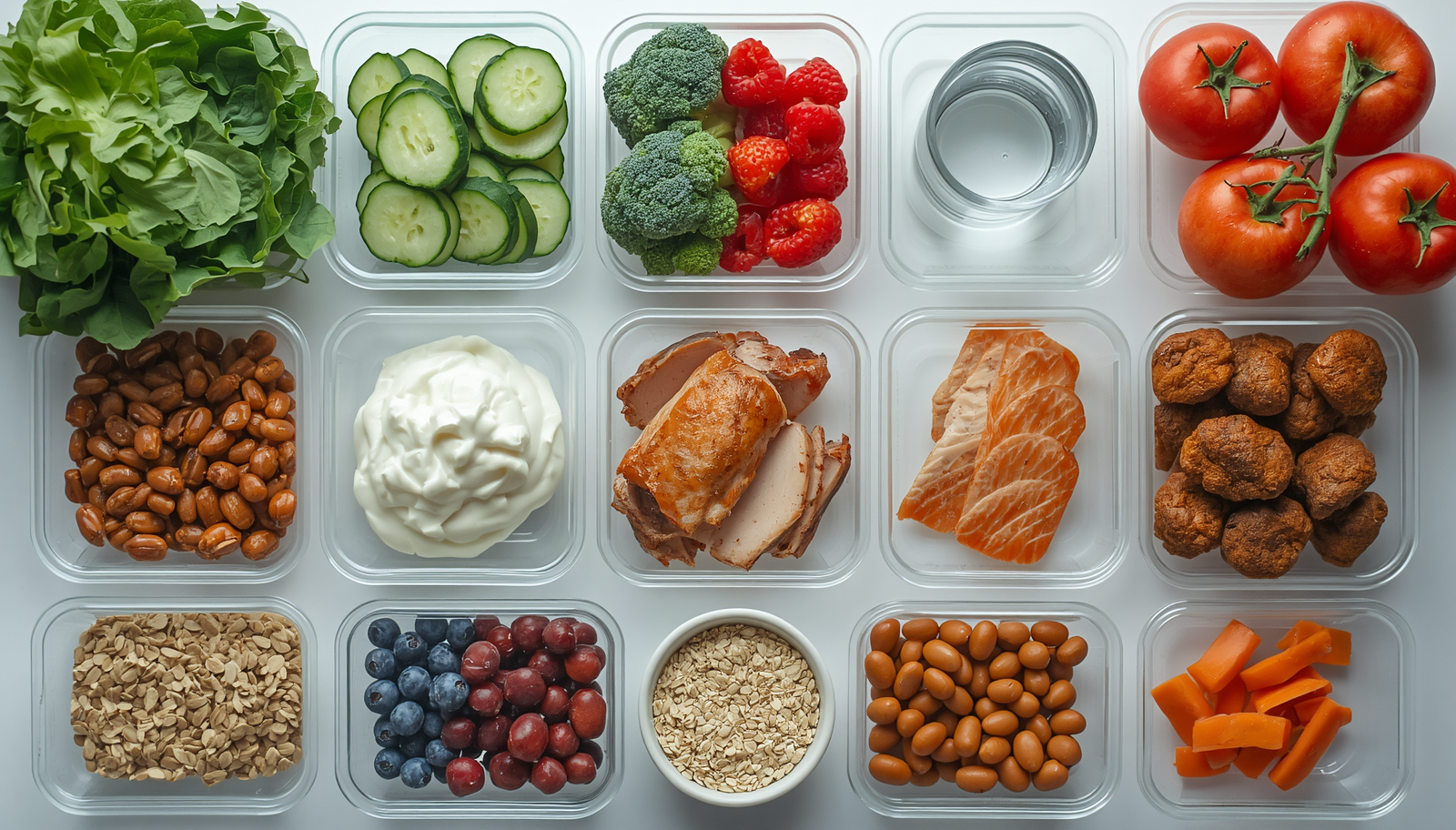
Low calorie foods are used in weight loss plans to reduce total energy intake while maintaining food volume and nutrient intake. These foods help manage calorie balance, which is a key factor in fat loss.
Weight loss happens when calorie intake is lower than calorie use. Low calorie foods support this process by allowing larger meals with fewer calories.
This guide explains low calorie foods, how they support weight loss, and how to use them in a daily diet plan.
What Are Low Calorie Foods
Low calorie foods are foods that contain fewer calories per serving compared to other foods. They often include high water content, fiber, or low fat content.
These foods help:
- Reduce total calorie intake
- Increase meal volume
- Support fullness
- Improve meal structure
How Low Calorie Foods Support Weight Loss
Low calorie foods support weight loss through calorie control.
Process:
- Lower calorie intake
- Increased food volume
- Reduced hunger signals
- Easier portion control
- Improved meal planning
Low Calorie Vegetables
Leafy Vegetables
- Spinach
- Lettuce
- Kale
- Cabbage
Other Vegetables
- Cucumber
- Zucchini
- Tomato
- Broccoli
- Cauliflower
Vegetables provide fiber and support digestion.
Low Calorie Fruits
Fruits provide natural sugar and fiber.
Examples:
- Apple
- Orange
- Berries
- Melon
- Grapefruit
Fruits are used in snacks and meals.
Low Calorie Protein Foods
Animal-Based
- Chicken breast
- Fish
- Eggs
- Turkey
Plant-Based
- Lentils
- Beans
- Chickpeas
- Tofu
Protein supports muscle maintenance during weight loss.
Low Calorie Grains and Carbohydrates
Carbohydrates provide energy in controlled portions.
Examples:
- Oats
- Brown rice
- Whole wheat bread
- Quinoa
Low Calorie Dairy Options
- Low fat milk
- Yogurt
- Cottage cheese
Dairy provides protein and calcium in moderate calories.
Foods to Reduce for Weight Loss
High Calorie Foods
- Fried foods
- Fast food
- Processed snacks
- Sugary desserts
Sugary Drinks
- Soft drinks
- Sweetened juices
- Energy drinks
Meal Structure Using Low Calorie Foods
Morning Meal
- Oats
- Fruit
- Yogurt
- Water
Midday Meal
- Chicken or lentils
- Vegetables
- Rice or grains
- Water
Evening Meal
- Fish or beans
- Vegetables
- Controlled grains
- Water
Snacks
- Fruit
- Yogurt
- Nuts (controlled portion)
Portion Control with Low Calorie Foods
Portion control supports calorie balance.
Basic structure:
- Half plate vegetables
- One portion protein
- One portion carbohydrates
- Small portion fats
Low Calorie Foods and Satiety
Low calorie foods often increase satiety due to fiber and water content.
Effects:
- Longer fullness
- Reduced snacking
- Controlled intake
- Stable eating pattern
Sample Daily Low Calorie Diet Plan
Morning:
- Oats
- Apple
- Yogurt
Midday:
- Chicken
- Broccoli and cucumber
- Brown rice
Snack:
- Fruit
- Nuts
Evening:
- Fish
- Vegetables
- Lentils
Hydration in Low Calorie Diet
Water supports digestion and helps manage hunger.
Basic pattern:
- Water in morning
- Water with meals
- Water between meals
Common Mistakes in Low Calorie Diet
Very Low Intake
Can reduce energy levels.
Lack of Protein
Affects muscle maintenance.
Irregular Meals
Affects consistency.
Overeating Healthy Foods
Still increases total calories.
Low Calorie Foods for Weight Loss Results
Weight loss results depend on:
- Calorie control
- Meal structure
- Food selection
- Consistency
Low calorie foods support all these factors.
Long-Term Use of Low Calorie Foods
Low calorie diet is a long-term approach when balanced.
Key actions:
- Maintain variety
- Control portions
- Track intake
- Adjust based on activity