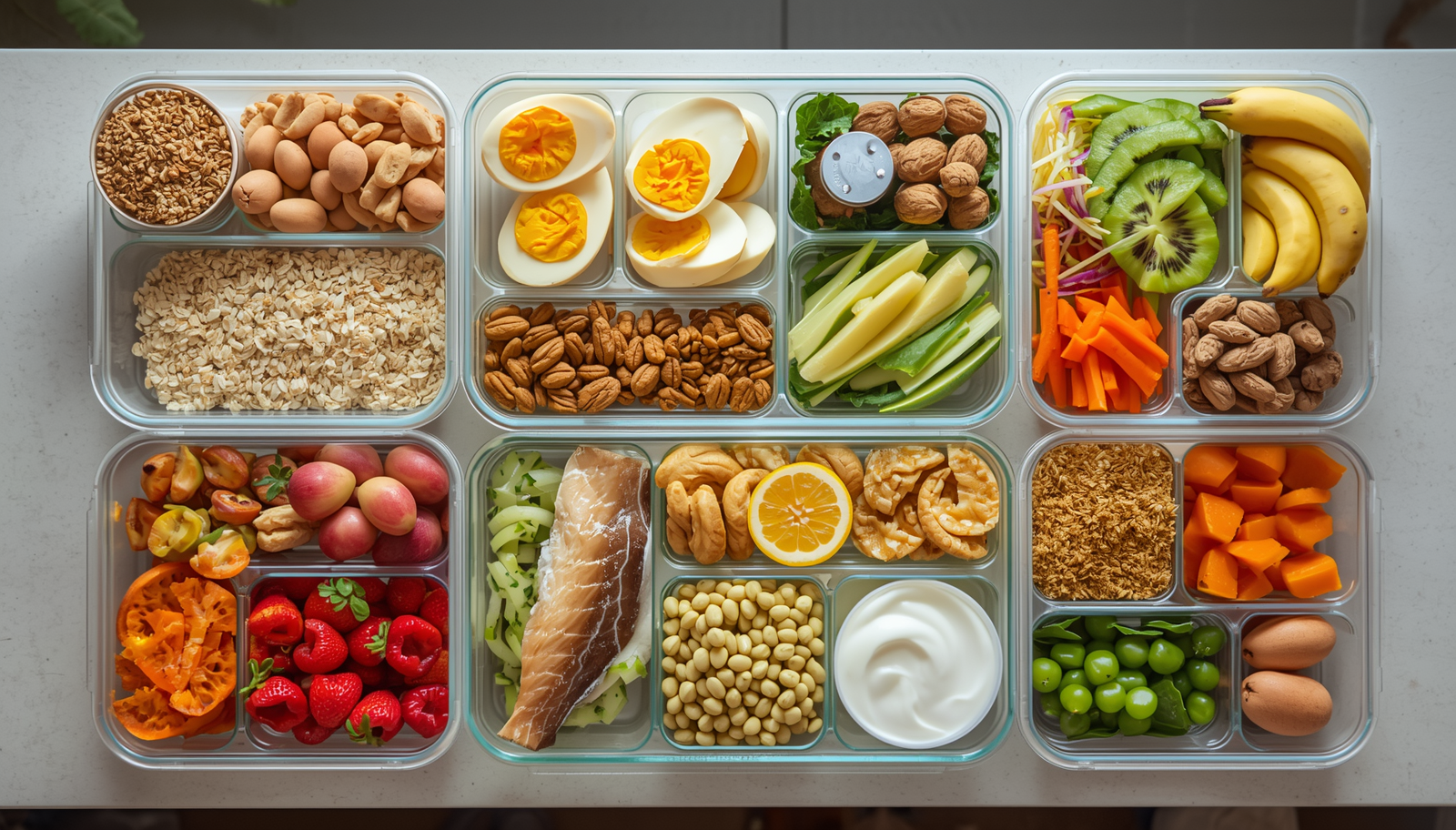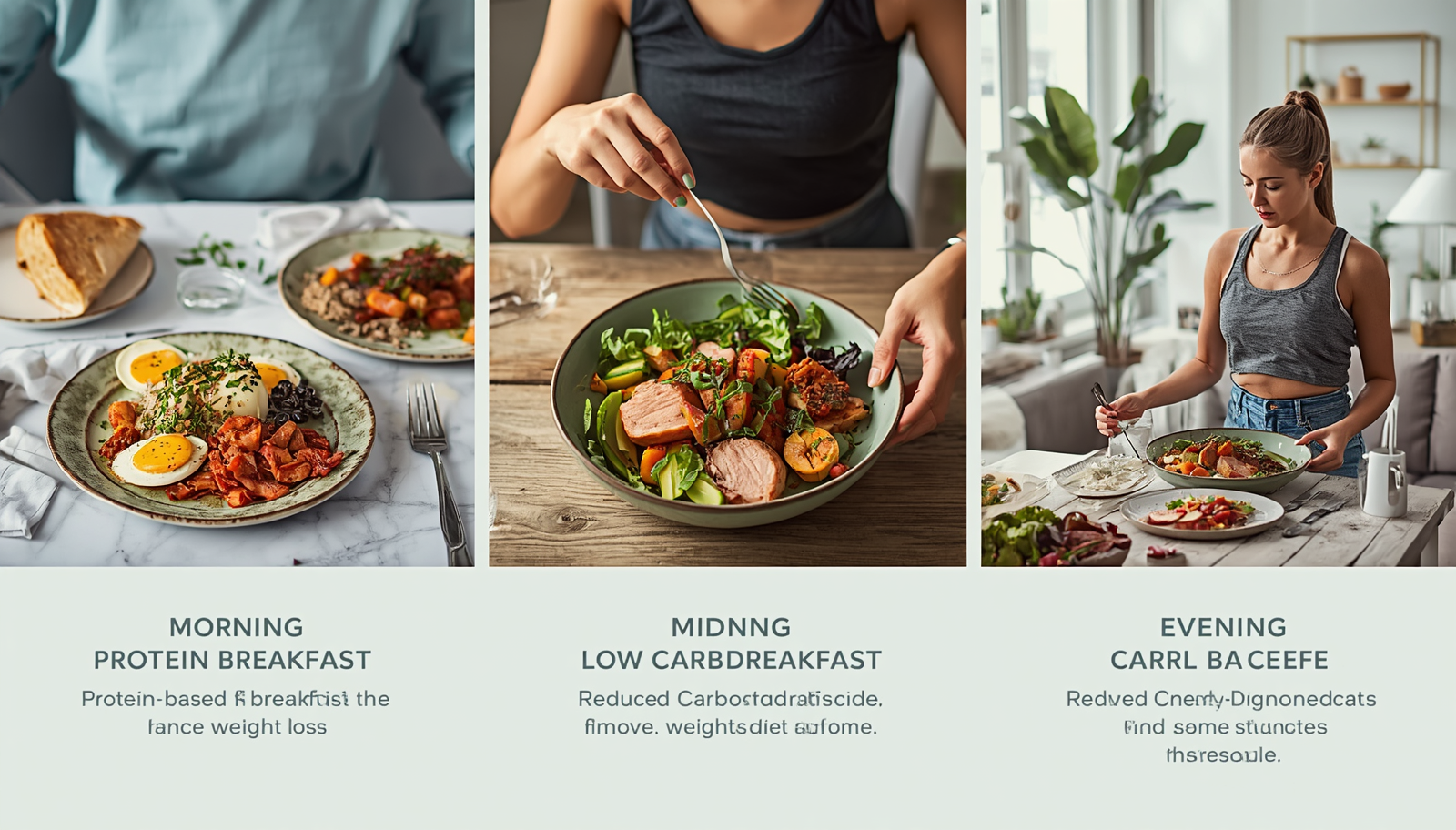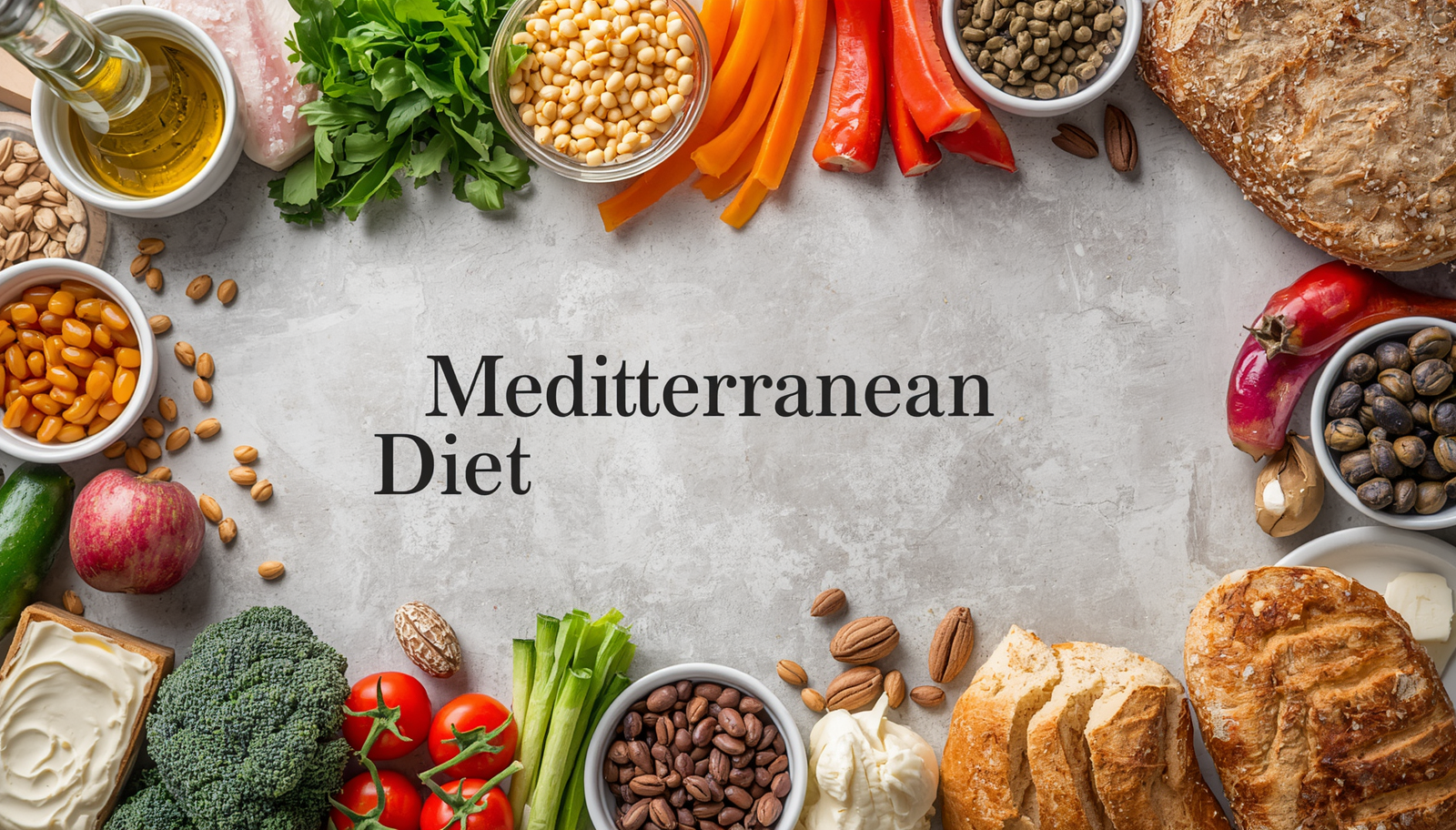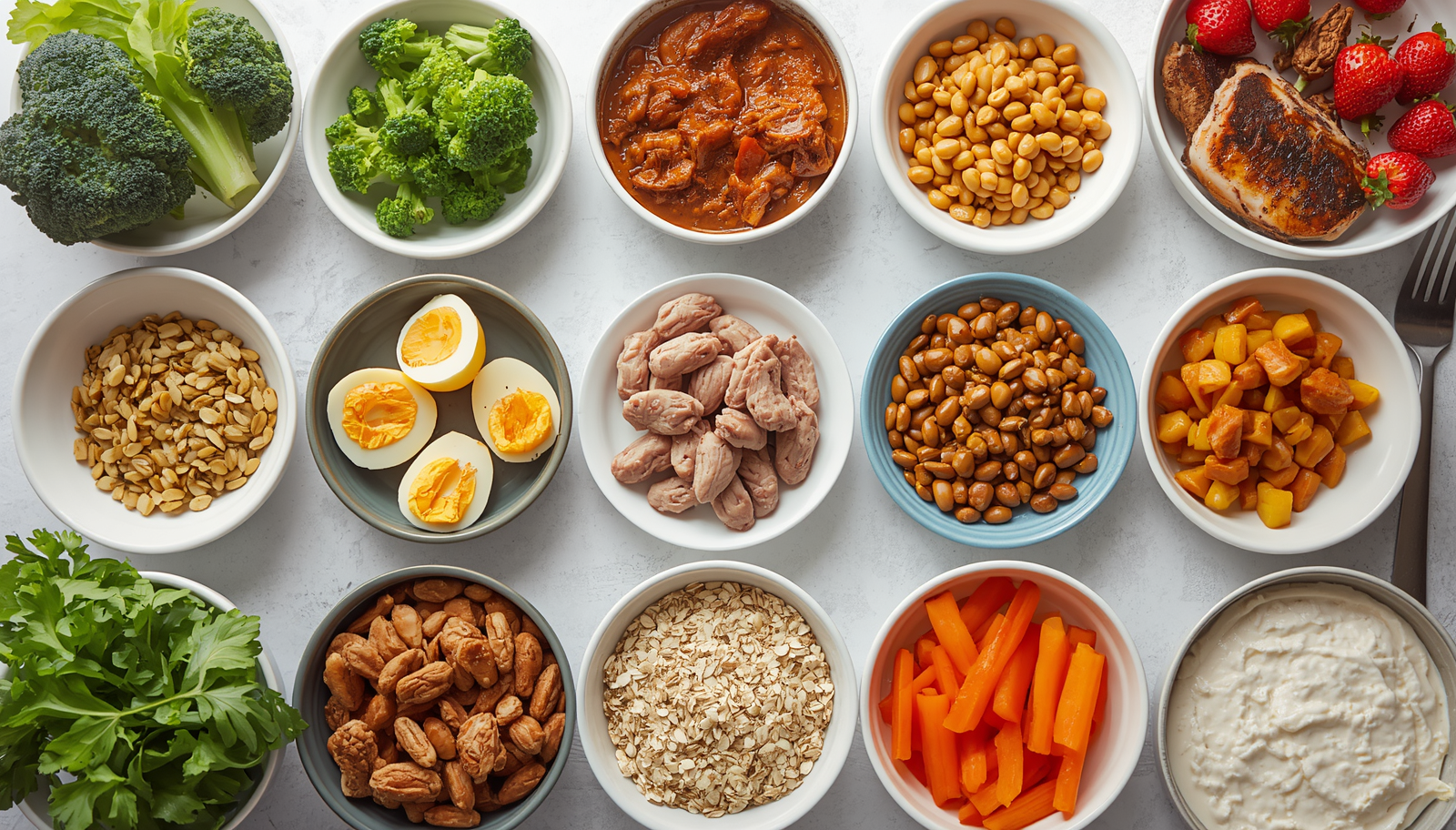
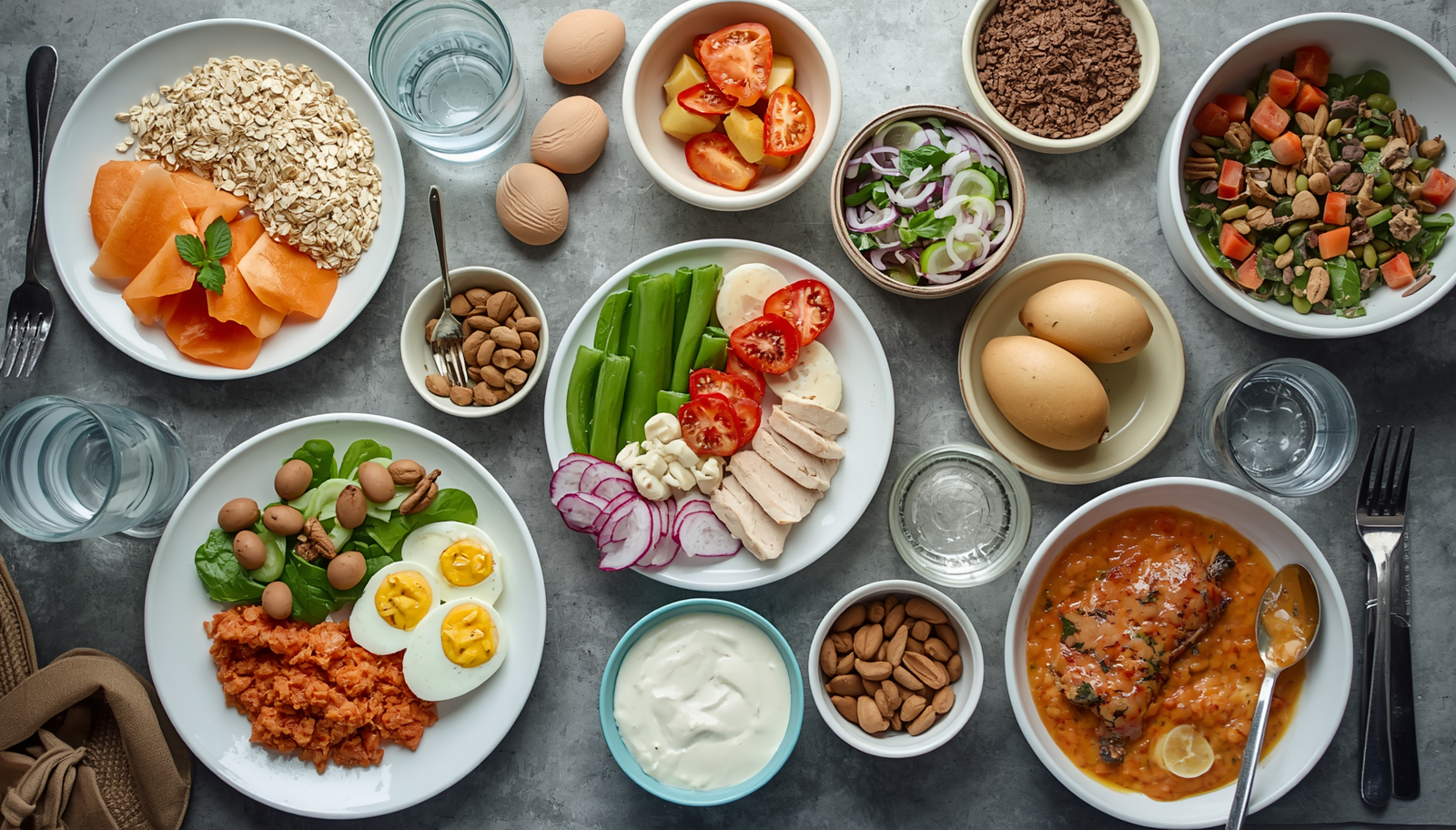
A healthy diet plan is a structured way of organizing daily food intake to support body weight control and energy production. It focuses on how food is distributed across meals rather than only what is eaten.
Weight loss depends on calorie balance. Energy levels depend on nutrient intake and meal timing. When both factors are managed together, the body can maintain stable performance while reducing fat storage.
This article explains how to build a daily diet plan for weight loss and energy support using simple food structure and consistent habits.
What Is a Healthy Diet Plan
A healthy diet plan is a system that organizes meals across the day. It includes carbohydrates, protein, fat, vitamins, minerals, and water in planned portions.
The purpose is:
Control calorie intake
Maintain energy levels
Support body function
Reduce fat storage over time
It is not based on restriction. It is based on balance and structure.
How Weight Loss Works in Diet Planning
Weight loss occurs when energy intake is lower than energy use.
This process depends on:
Calorie intake from food
Daily physical activity
Metabolic rate
Food composition
When intake is controlled consistently, the body uses stored fat for energy.
Energy Boost Through Diet
Energy comes from food nutrients.
Main contributors:
Carbohydrates provide immediate energy
Protein supports recovery and stability
Fat provides long-term energy
Water supports metabolic processes
Energy levels depend on how meals are spaced across the day.
Core Food Groups in Diet Plans
Carbohydrates
Carbohydrates are the main energy source.
Sources:
Rice
Bread
Oats
Potatoes
Fruits
Carbohydrates should be adjusted based on activity level.
Protein
Protein supports muscle maintenance and body structure.
Sources:
Eggs
Chicken
Fish
Beans
Lentils
Dairy products
Protein helps control hunger and supports recovery.
Fat
Fat supports hormone function and energy storage regulation.
Sources:
Nuts
Seeds
Oils
Avocado
Dairy products
Fat intake should remain stable in daily meals.
Vitamins and Minerals
These support body regulation and metabolic activity.
Sources:
Vegetables
Fruits
Whole grains
Animal products
Variety in food selection supports nutrient coverage.
Water
Water supports digestion, transport, and temperature control.
Regular intake is required throughout the day.
Structure of a Daily Diet Plan
A basic structure includes three main meals and snacks.
Morning Meal
Supports energy for early activity.
Example:
Oats or bread
Eggs or dairy
Fruit
Water
Midday Meal
Supports main energy demand.
Example:
Rice or bread
Protein source
Vegetables
Water
Evening Meal
Supports recovery and rest.
Example:
Protein source
Vegetables
Controlled carbohydrates
Water
Snacks
Supports energy between meals.
Examples:
Fruit
Nuts
Yogurt
Meal Timing for Weight Loss and Energy
Meal timing affects energy control.
Basic structure:
Morning meal after waking
Midday meal after several hours
Evening meal before rest
Snacks when needed
Regular timing reduces irregular eating patterns.
Portion Control Strategy
Portion control helps manage calorie intake.
Simple method:
Half plate vegetables
One portion protein
One portion carbohydrates
Small portion fats
This method supports structure without tracking systems.
Diet Plan for Weight Loss
Key principles:
Controlled calorie intake
High protein intake
Reduced processed food
Regular meal timing
Stable hydration
This helps reduce fat storage over time.
Diet Plan for Energy Boost
Key principles:
Balanced carbohydrate intake
Regular meals throughout the day
Protein distribution across meals
Water intake consistency
Energy stability depends on routine, not single meals.
Combined Plan for Weight Loss and Energy
A combined approach includes:
Moderate calorie control
High protein intake
Balanced carbohydrates
Structured meal timing
Reduced processed food intake
This allows fat reduction while maintaining daily energy.
Sample Daily Diet Plan
Morning:
Oats
Eggs
Fruit
Water
Midday:
Rice
Chicken or lentils
Vegetables
Water
Snack:
Nuts or yogurt
Fruit
Evening:
Fish or beans
Vegetables
Controlled carbohydrates
Water
Common Diet Problems
Irregular Meals
Affects energy stability.
Excess Processed Food
Increases calorie intake without nutrients.
Low Protein Intake
Reduces recovery and satiety.
Low Water Intake
Affects digestion and energy.
Food Quality in Diet Plans
Food quality influences digestion and energy levels.
Better choices:
Whole grains
Fresh vegetables
Natural protein sources
Fruits
Reduced processed foods support better balance.
Hydration and Energy
Water supports metabolism and reduces fatigue.
Basic habit:
Drink water in morning
Drink water with meals
Drink water between meals
Activity Level Adjustment
Low Activity
Lower calorie intake
Moderate food portions
Medium Activity
Balanced intake across meals
High Activity
Higher carbohydrate and protein intake
Long-Term Diet Consistency
Diet success depends on consistency.
Important actions:
Maintain structured meals
Keep timing regular
Adjust portions gradually
Monitor eating habits