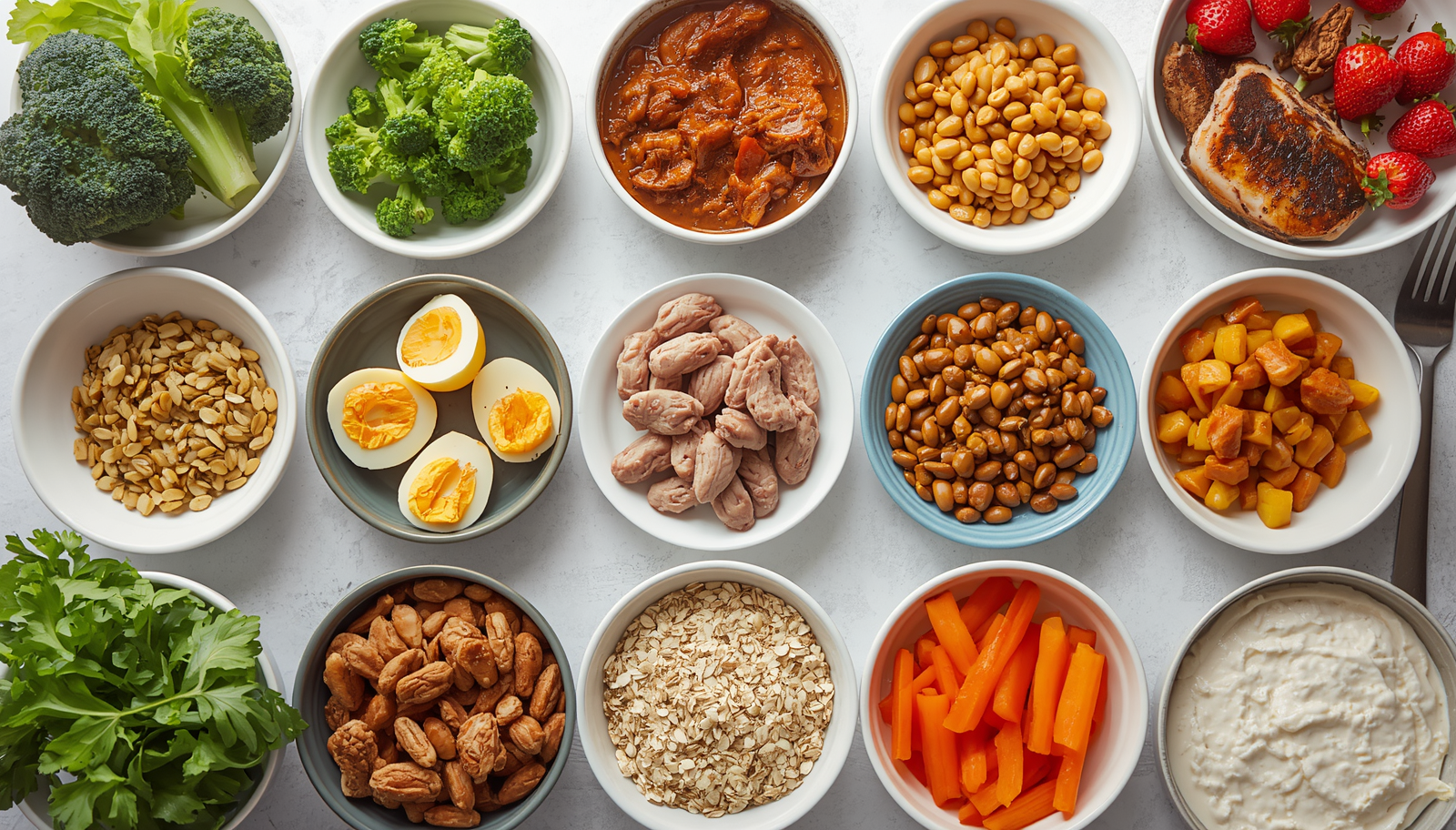
A high protein diet is used to support muscle gain and fat loss at the same time. Protein is a nutrient that supports muscle repair, body structure, and appetite control. When protein intake is planned correctly, it helps manage body composition while supporting physical activity.
Muscle gain requires consistent protein intake. Fat loss requires calorie control. A high protein diet connects both goals by supporting muscle maintenance while controlling hunger and total food intake.
This guide explains high protein foods, daily structure, and how to apply protein intake for body goals.
What Is a High Protein Diet
A high protein diet is a daily eating pattern where protein intake is prioritized across meals. It includes regular consumption of protein-rich foods while maintaining balance with carbohydrates, fats, vitamins, and minerals.
The purpose is:
- Support muscle repair
- Maintain body structure
- Control hunger levels
- Support fat reduction
- Improve recovery after activity
Role of Protein in Muscle Gain and Fat Loss
Protein supports both muscle gain and fat loss through different mechanisms.
For muscle gain:
- Supports muscle repair after activity
- Helps build new muscle tissue
- Improves recovery process
For fat loss:
- Reduces hunger levels
- Supports calorie control
- Maintains muscle during calorie reduction
Protein does not directly burn fat. It supports body processes that lead to fat reduction when calorie intake is controlled.
High Protein Food Sources
Animal-Based Protein
Animal-based protein sources provide complete amino acids.
Common sources:
- Eggs
- Chicken
- Fish
- Beef
- Dairy products
These foods are commonly used in structured meal plans.
Plant-Based Protein
Plant-based protein supports vegetarian and mixed diets.
Common sources:
- Lentils
- Beans
- Chickpeas
- Soy products
- Nuts and seeds
Combining plant sources helps complete amino acid intake.
Protein Distribution Across the Day
Protein intake works best when distributed across meals.
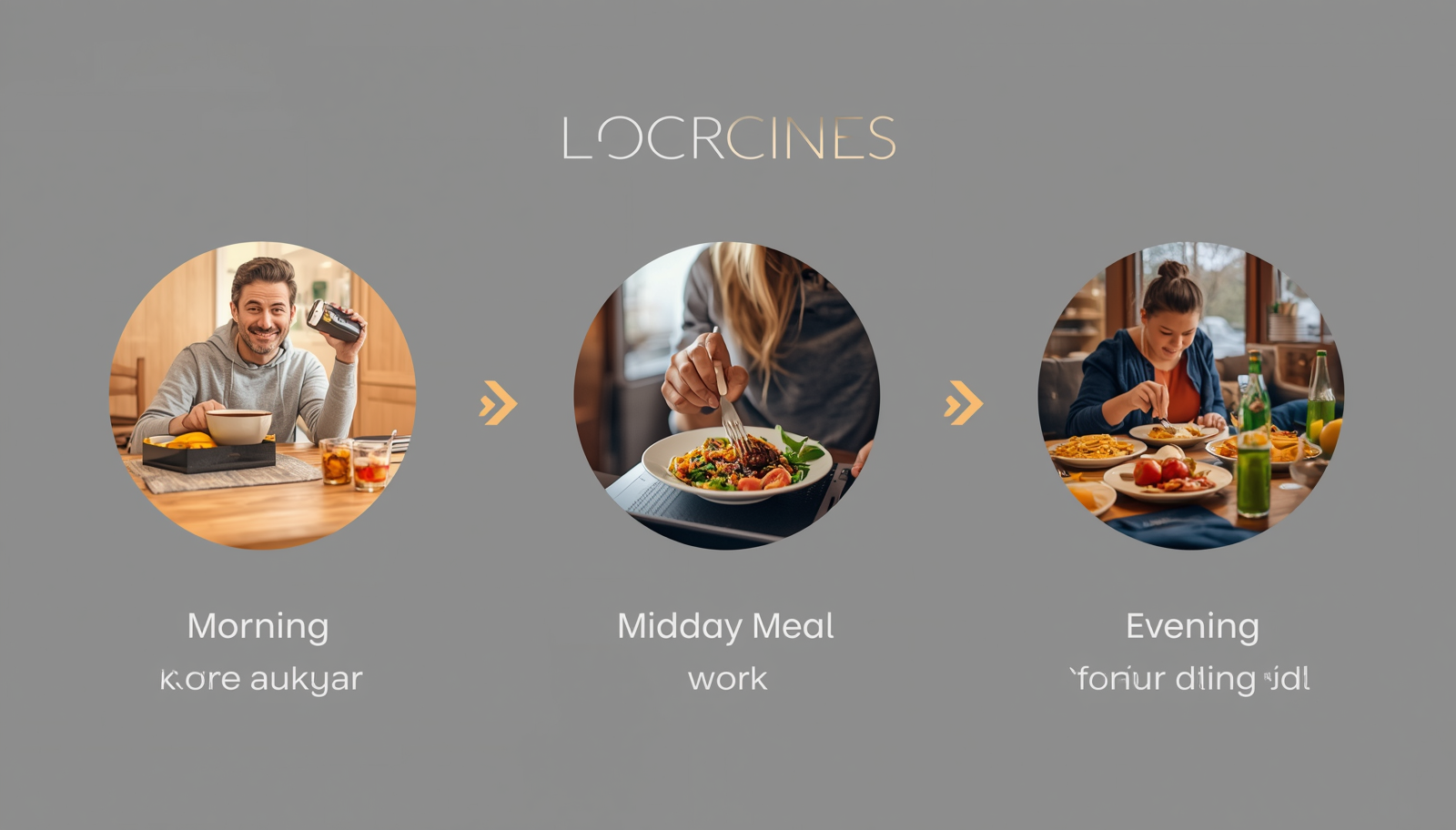
A basic structure:
- Morning meal includes protein source
- Midday meal includes protein source
- Evening meal includes protein source
- Snacks may include protein support
This distribution supports continuous muscle repair.
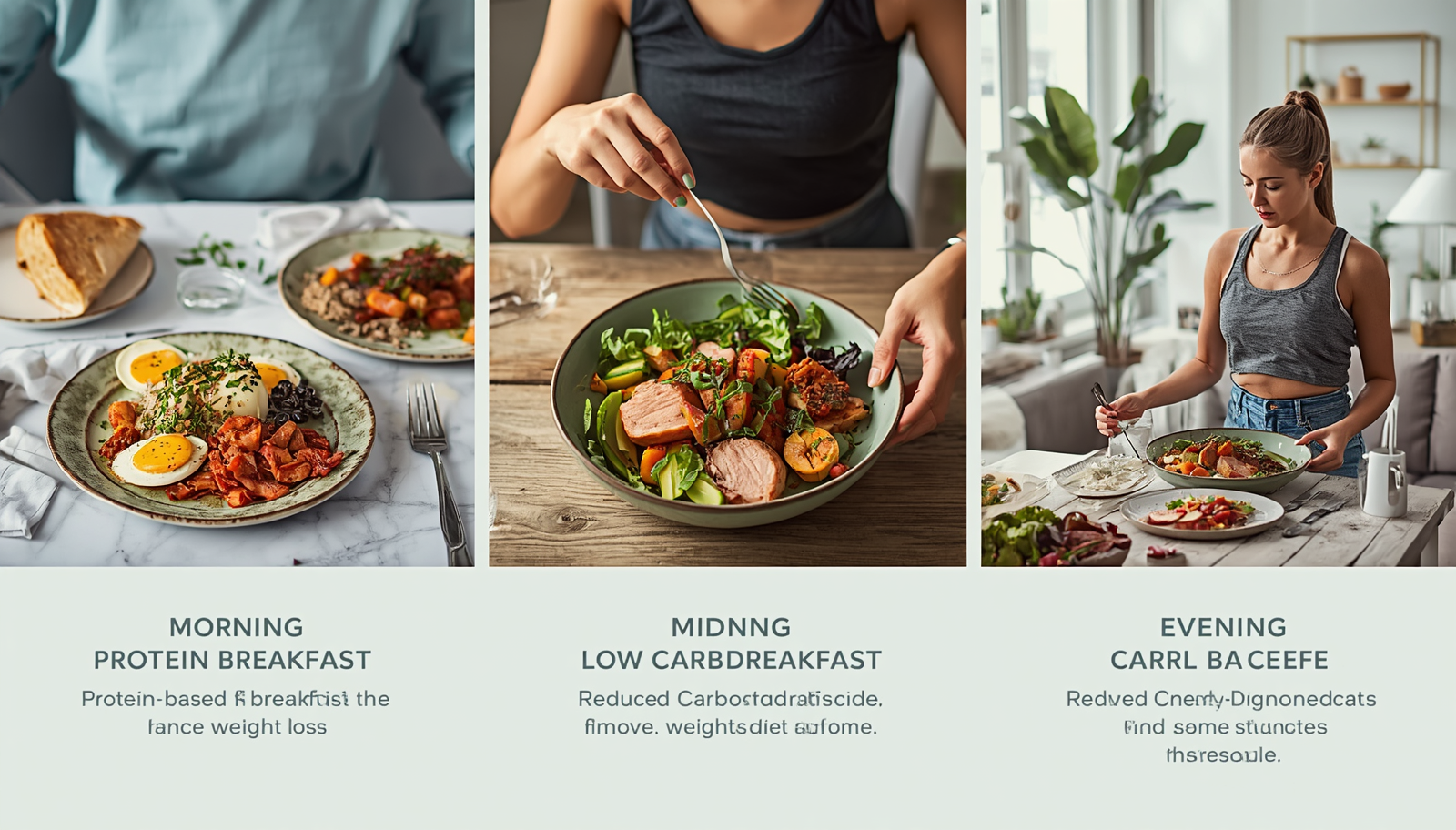
High Protein Breakfast Options
Breakfast supports energy and early protein intake.
Examples:
- Eggs with bread
- Oats with milk
- Yogurt with fruit
- Beans with bread
Breakfast protein helps control hunger later in the day.
High Protein Midday Meal Options
Midday meals support main energy and recovery.
Examples:
- Rice with chicken
- Lentils with bread
- Fish with vegetables
- Beans with rice
This meal often contains the highest protein portion.
High Protein Evening Meal Options
Evening meals support recovery and rest.
Examples:
- Fish with vegetables
- Eggs with salad
- Chicken with controlled carbohydrates
- Lentils with vegetables
Evening protein supports overnight repair.
Snacks with Protein Support
Snacks help maintain protein intake between meals.
Examples:
- Yogurt
- Nuts
- Boiled eggs
- Protein-based shakes
Snacks help reduce hunger spikes.
Protein and Calorie Control for Fat Loss
Fat loss depends on calorie balance. Protein helps manage this process by increasing satiety.
Key points:
- Higher protein reduces hunger
- Helps reduce unnecessary snacking
- Supports controlled calorie intake
- Maintains muscle during calorie deficit
Protein does not replace calorie control. It supports it.
Protein and Training for Muscle Gain
Muscle gain depends on training and protein intake together.
Key points:
- Protein supports recovery after training
- Training creates muscle stimulus
- Food supports repair process
- Consistency is required for growth
Without training, protein alone does not increase muscle mass significantly.
Daily High Protein Meal Structure Example
Morning:
- Eggs
- Oats
- Milk or yogurt
- Fruit
Midday:
- Chicken or lentils
- Rice or bread
- Vegetables
Snack:
- Yogurt or nuts
- Boiled eggs
Evening:
- Fish or beans
- Vegetables
- Controlled carbohydrates
Water is included throughout the day.
Common Protein Intake Problems
Low Protein Intake
Leads to reduced muscle recovery and slow progress.
Irregular Protein Timing
Affects muscle repair consistency.
Overreliance on Processed Protein
Reduces food quality balance.
Lack of Variety
Limits nutrient coverage.
Protein Intake Based on Activity Level
Low Activity
Moderate protein intake
Balanced meals
Medium Activity
Consistent protein distribution
Regular meals
High Activity
Higher protein intake
Increased meal frequency
Hydration and Protein Use
Water supports protein metabolism and digestion.
Basic pattern:
- Drink water in morning
- Drink water with meals
- Drink water between meals
Hydration supports nutrient transport.
Long-Term Protein Strategy
High protein diet works best when applied consistently over time.
Key actions:
- Maintain daily intake
- Distribute protein across meals
- Combine with physical activity
- Adjust intake based on goals