Calorie counting is a method used to track energy intake from food and beverages. It is widely used in weight loss and healthy eating plans. The concept is based on energy balance between calories consumed and calories used by the body.
When calorie intake is controlled, body weight can be managed over time. This approach does not focus on food restriction alone but on understanding food quantity and daily intake patterns.
This guide explains calorie counting, how it works, and how to apply it in a daily eating plan.
What Are Calories
Calories are units of energy. The body uses calories for:
- Movement
- Digestion
- Brain function
- Physical activity
- Basic survival functions
Food provides calories through carbohydrates, proteins, and fats.
How Calorie Counting Works
Calorie counting works by tracking total daily intake and comparing it to energy use.
Basic principle:
- If intake is higher than use, weight increases
- If intake is lower than use, weight decreases
- If intake equals use, weight remains stable
Importance of Calorie Counting
Calorie counting helps:
- Control food intake
- Support weight loss goals
- Improve awareness of eating habits
- Reduce unplanned overeating
- Support structured meal planning
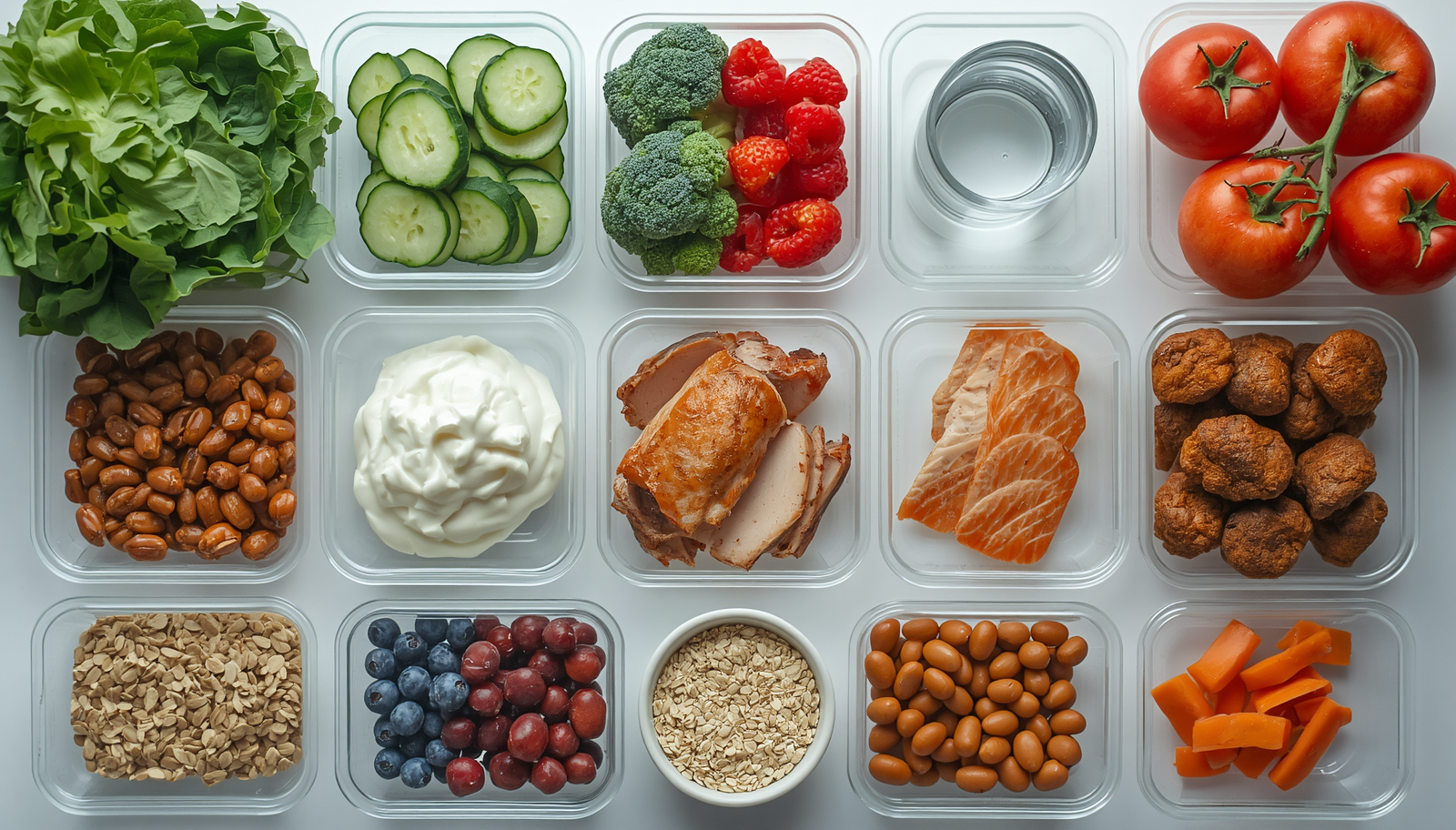
Food Sources of Calories
Carbohydrates
Carbohydrates provide energy.
Examples:
- Rice
- Bread
- Oats
- Potatoes
- Fruits
Protein
Protein supports body structure.
Examples:
- Eggs
- Chicken
- Fish
- Beans
- Lentils
Fat
Fat provides energy and supports body function.
Examples:
- Nuts
- Seeds
- Oils
- Dairy products
Calorie Intake and Weight Loss
Weight loss occurs when calorie intake is reduced below energy use.
Process:
- Reduce high calorie foods
- Control portion sizes
- Track daily intake
- Maintain consistency
Calorie Intake and Healthy Eating
Healthy eating focuses on balanced calorie intake.
It includes:
- Proper food distribution
- Balanced nutrients
- Regular meals
- Controlled portions
How to Calculate Daily Calories
Calorie needs depend on:
- Body weight
- Activity level
- Age
- Lifestyle
General approach:
- Low activity: lower calorie needs
- Medium activity: balanced needs
- High activity: higher needs
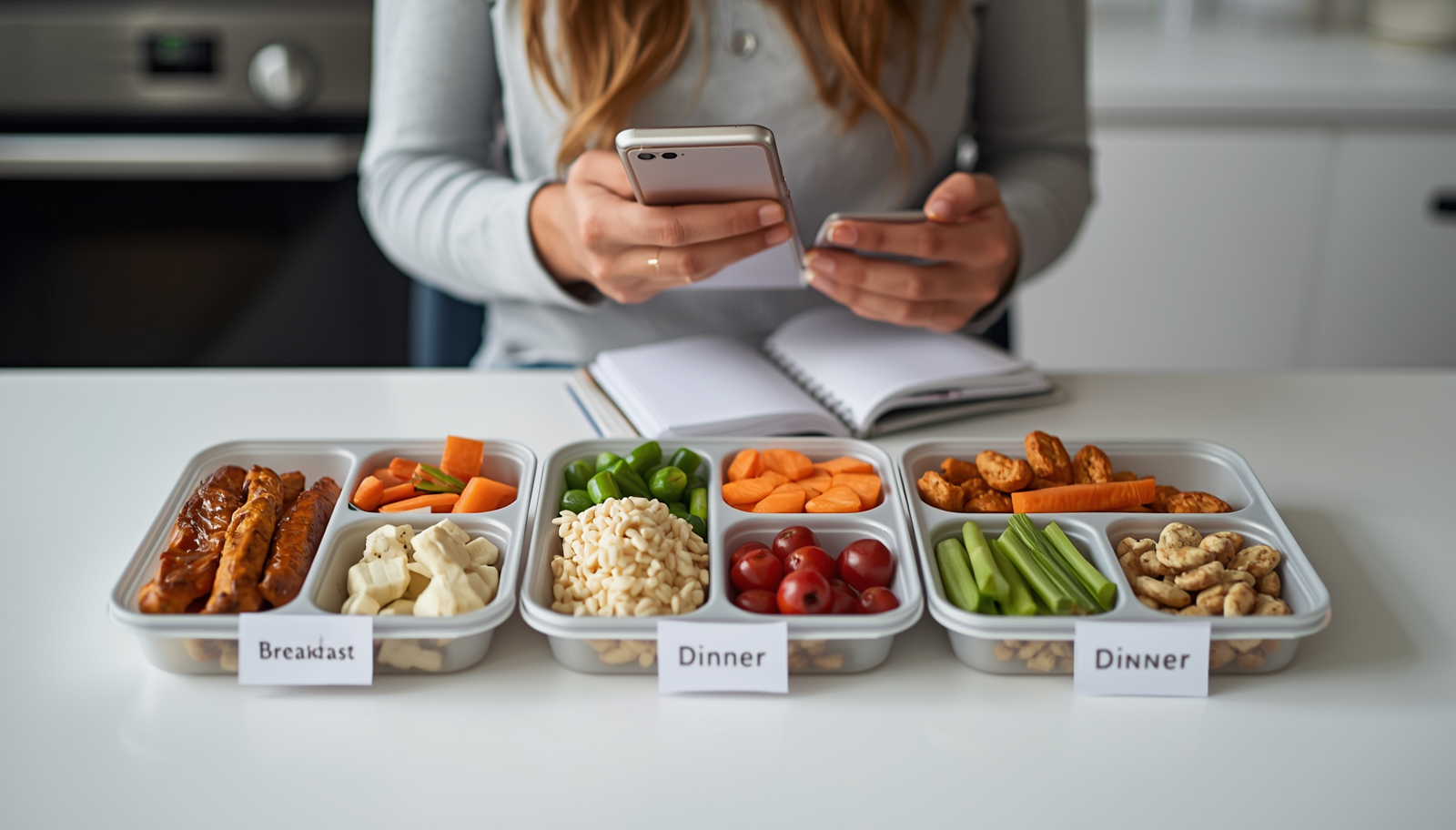
Tracking Calories in Food
Reading Food Labels
Food labels show calorie content per serving.
Using Food Lists
Standard food lists help estimate intake.
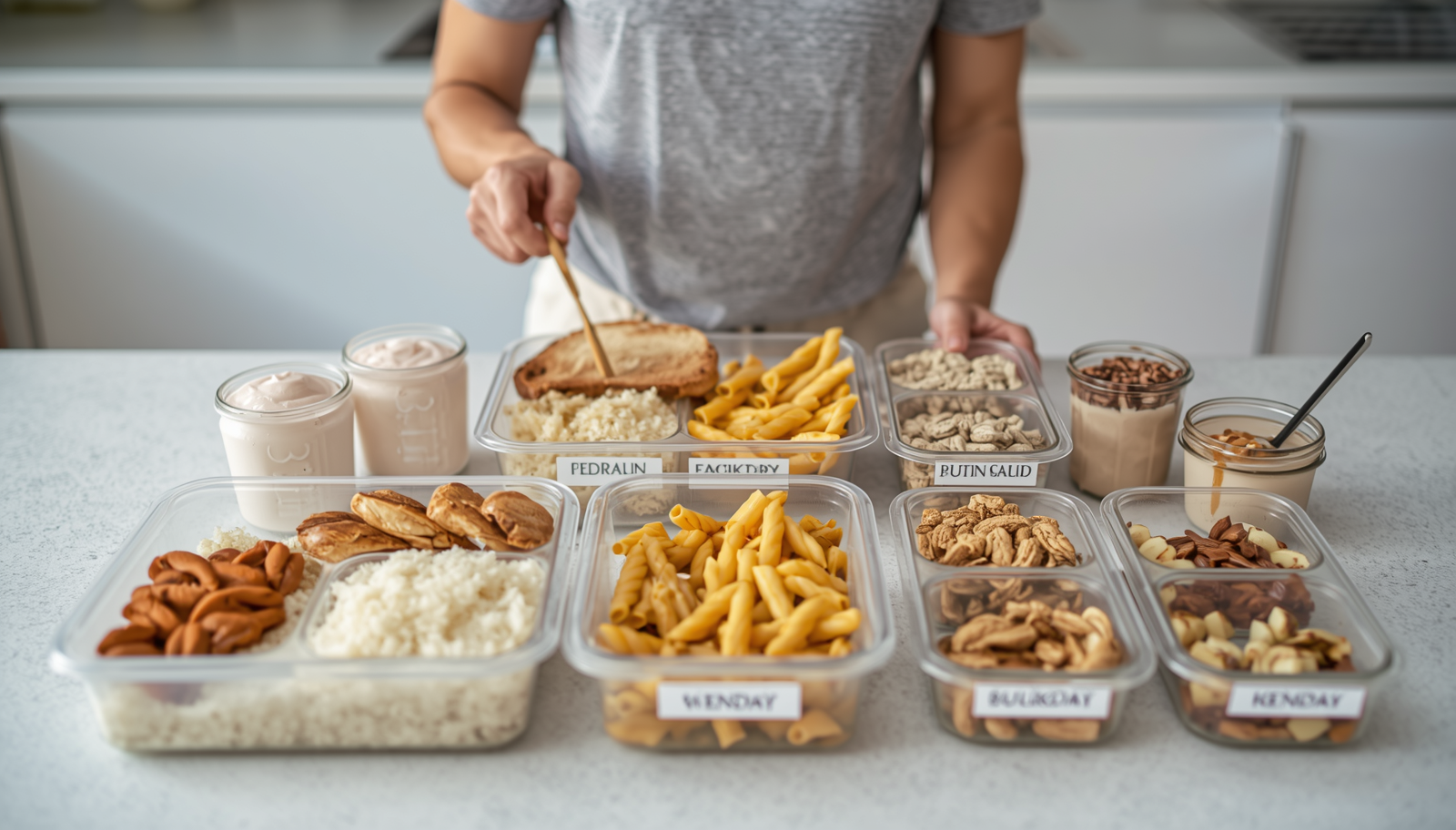
Measuring Portions
Portion size affects total calorie intake.
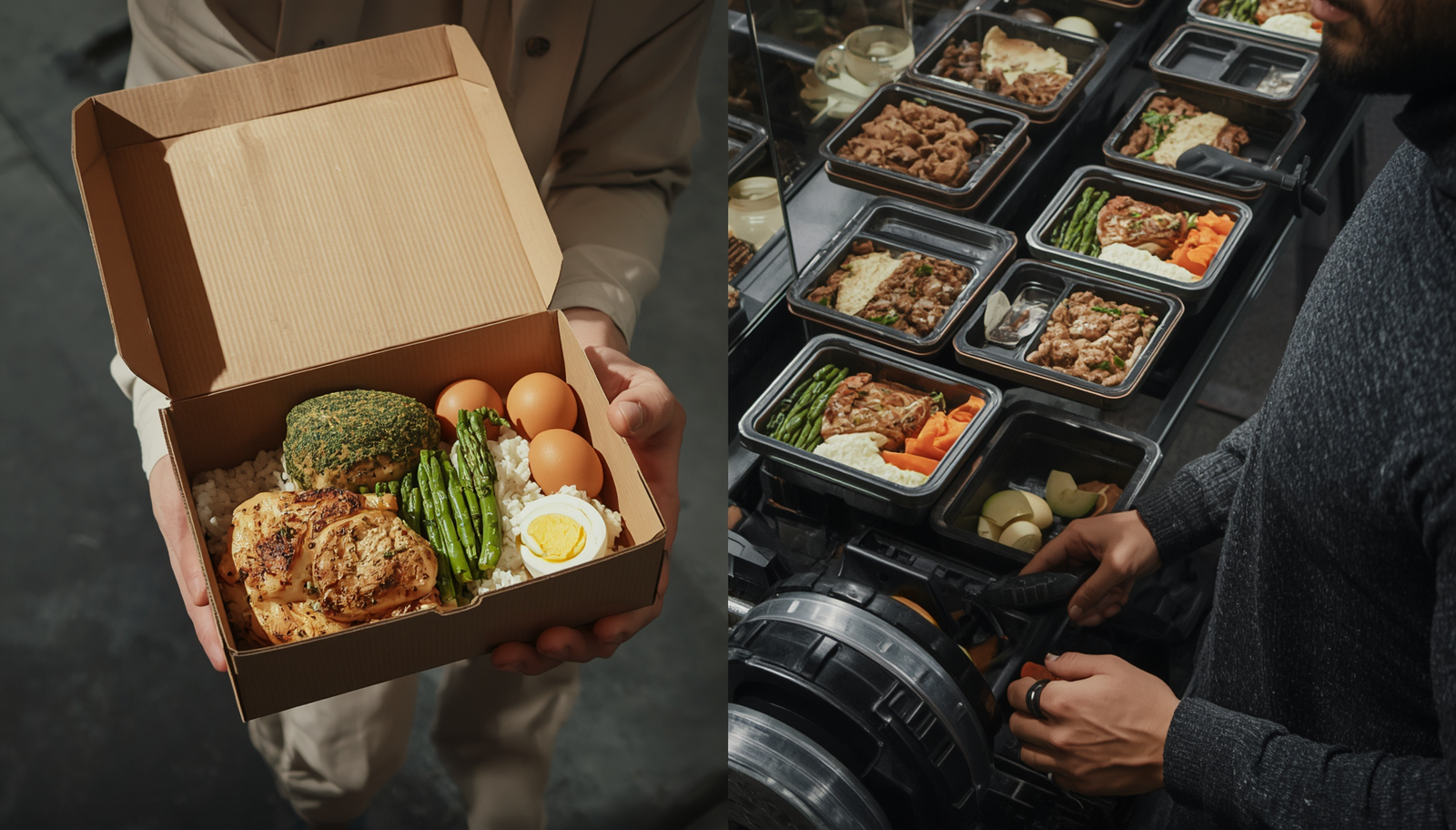
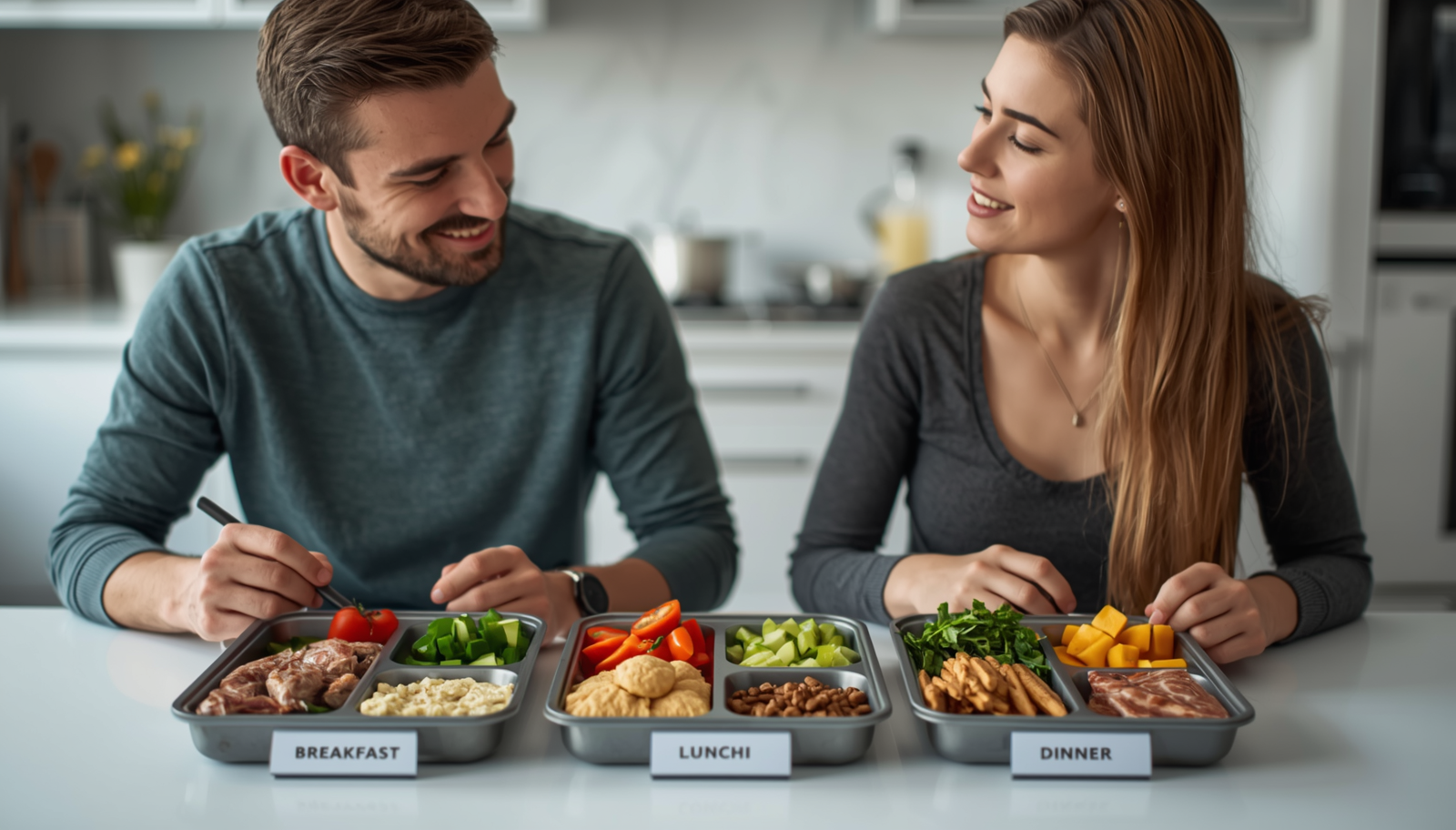
Meal Structure in Calorie Counting
Morning Meal
Supports energy intake.
Example:
- Oats
- Eggs
- Fruit
- Water
Midday Meal
Main energy meal.
Example:
- Rice or bread
- Protein source
- Vegetables
Evening Meal
Supports recovery.
Example:
- Protein source
- Vegetables
- Controlled carbohydrates
Snacks
Support energy between meals.
Examples:
- Fruit
- Nuts
- Yogurt
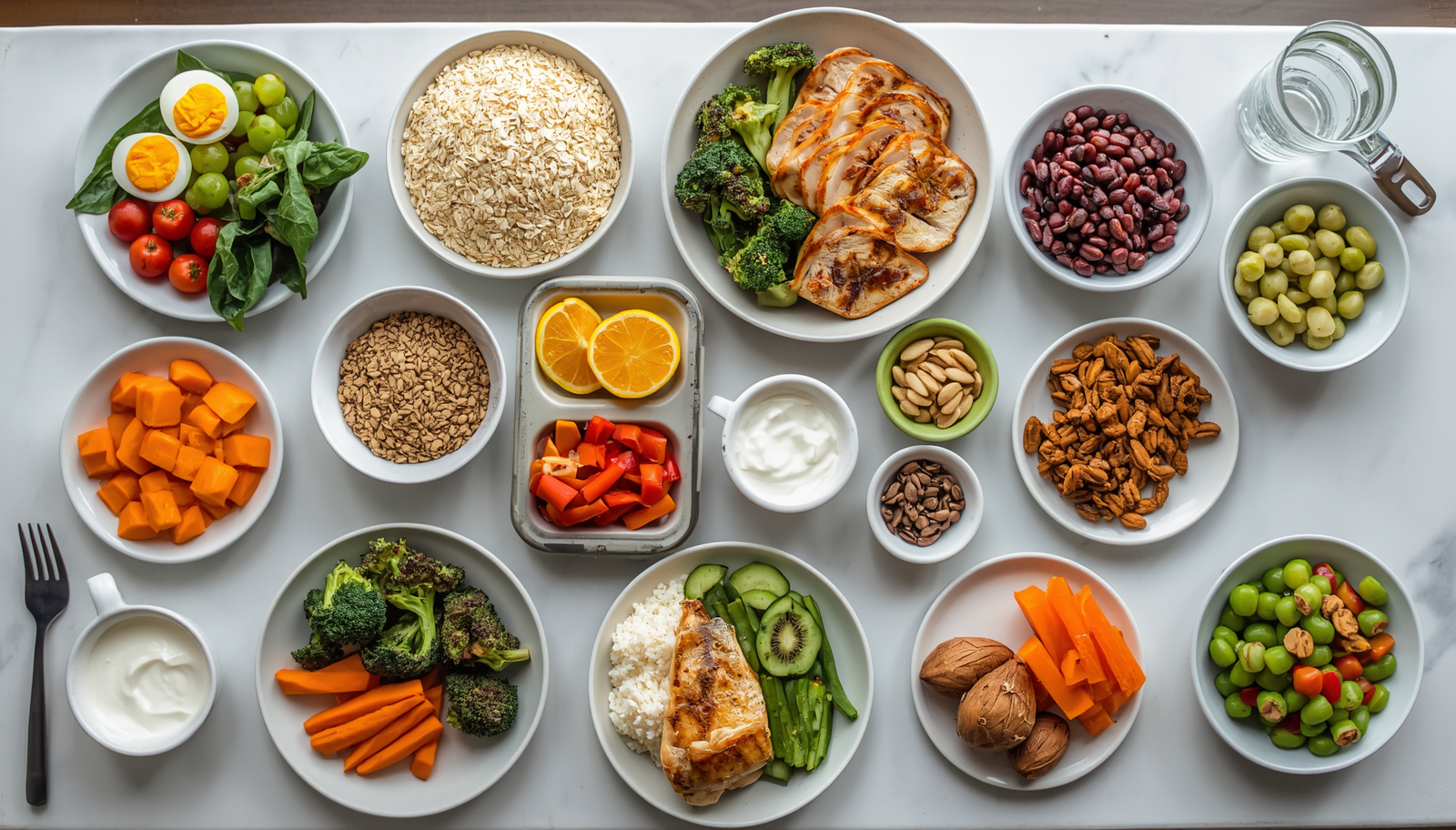
Portion Control in Calorie Counting
Portion control helps manage total intake.
Basic structure:
- Half plate vegetables
- One portion protein
- One portion carbohydrates
- Small portion fats
Common Calorie Counting Mistakes
Ignoring Hidden Calories
Drinks and sauces contain calories.
Inaccurate Portion Estimation
Incorrect measurement affects tracking.
Skipping Meals
Leads to irregular intake patterns.
Over-restriction
Too low intake affects energy levels.
Calorie Counting for Weight Loss Plan
A weight loss plan uses controlled calorie reduction.
Steps:
- Track daily intake
- Reduce high calorie foods
- Maintain protein intake
- Adjust portion sizes
- Keep meal structure consistent
Calorie Counting for Healthy Eating Plan
Healthy eating plan focuses on balance.
Steps:
- Include all food groups
- Maintain moderate calories
- Avoid extreme restriction
- Keep consistent meals
Sample Daily Calorie Plan
Morning:
- Oats
- Eggs
- Fruit
Midday:
- Rice
- Chicken or lentils
- Vegetables
Snack:
- Nuts or yogurt
Evening:
- Fish or beans
- Vegetables
- Controlled grains
Hydration in Calorie Control
Water supports digestion and helps manage hunger.
Basic pattern:
- Water in morning
- Water with meals
- Water between meals
Long-Term Calorie Management
Calorie counting is a long-term system.
Key actions:
- Maintain tracking consistency
- Adjust intake based on progress
- Avoid extreme changes
- Follow structured meals