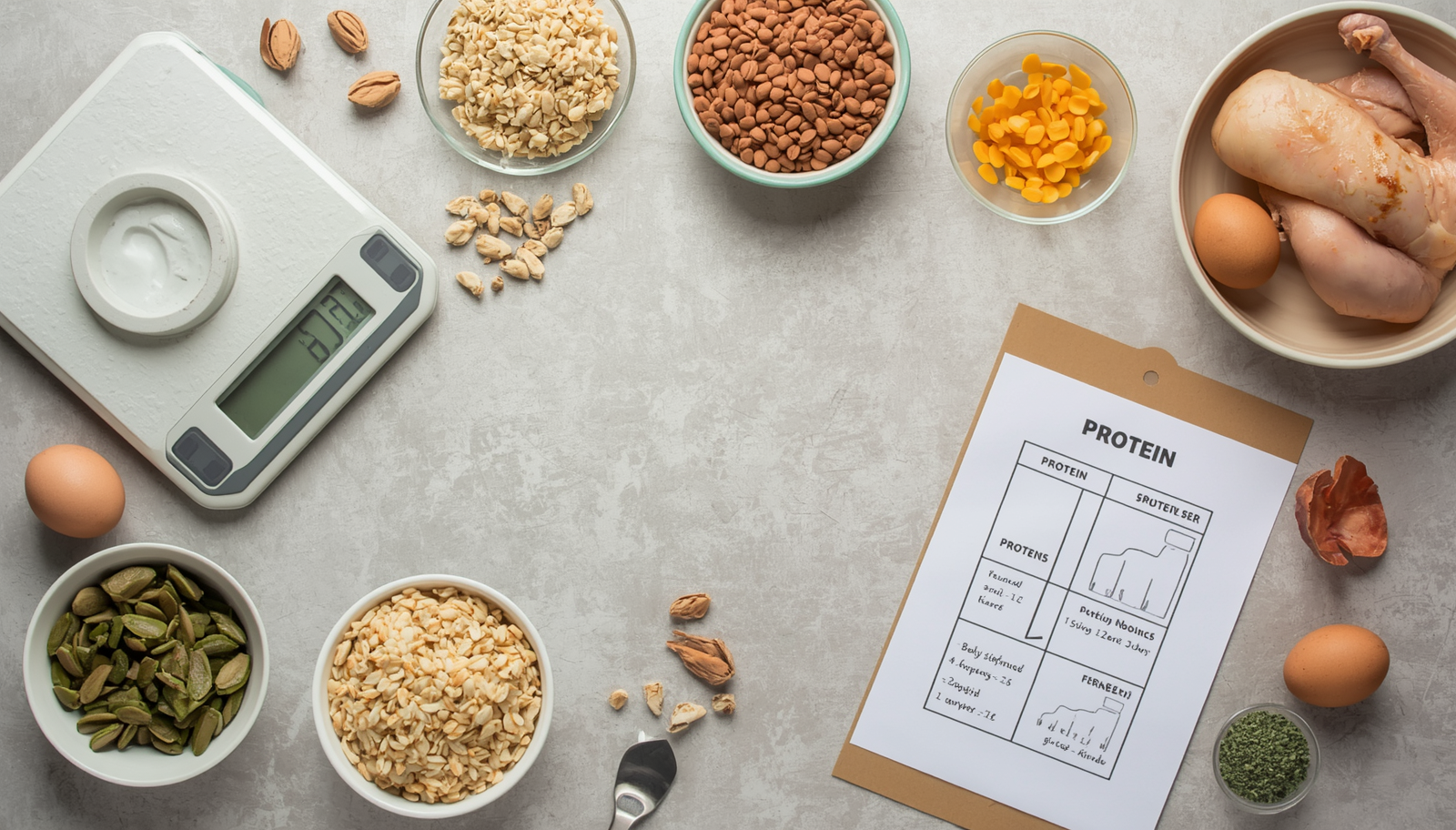
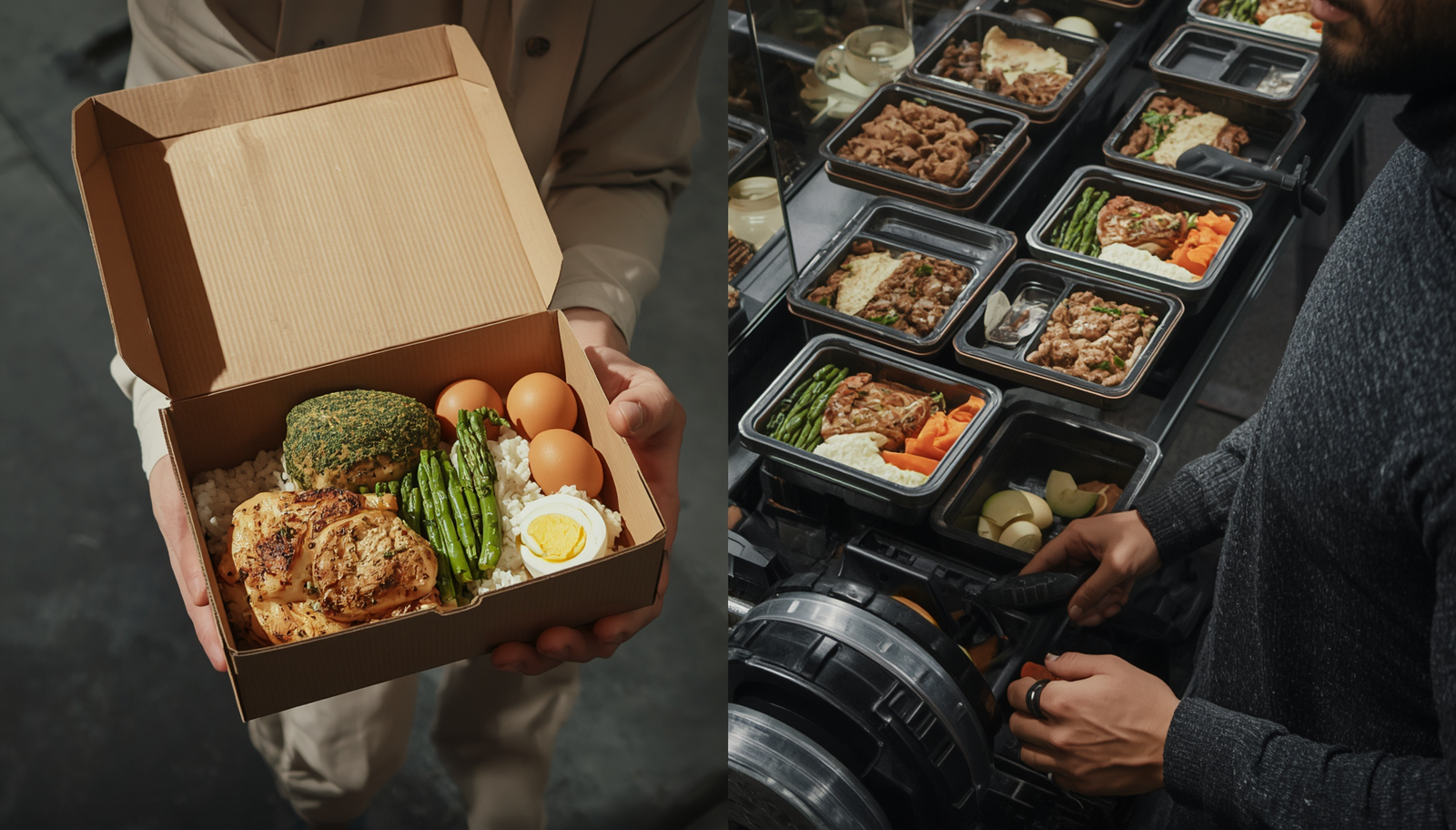
A protein rich diet plan is used to support muscle gain by increasing protein intake through daily meals. Protein is the main nutrient responsible for muscle repair and development. When beginners start training, the body requires structured nutrition to support recovery and growth.
Muscle gain depends on two factors: training stimulus and nutrition intake. Protein plays a central role in connecting these two factors. Without sufficient protein, muscle recovery slows down.
This guide explains a protein rich diet plan for beginners, including food choices, meal structure, and daily routines.
What Is a Protein Rich Diet Plan
A protein rich diet plan is a structured eating system where protein intake is prioritized across meals. It includes both animal and plant-based protein sources.
The purpose is:
- Support muscle repair
- Promote muscle growth
- Maintain body structure
- Support recovery after training
- Improve daily nutrition balance
Role of Protein in Muscle Gain
Protein supports muscle gain through a process called muscle protein synthesis.
Process:
- Training creates muscle stress
- Protein supports repair
- Recovery builds new muscle fibers
- Repeated cycles lead to muscle growth
Protein alone does not create muscle. It works with training and recovery.
Protein Requirements for Beginners
Protein needs depend on:
- Body weight
- Activity level
- Training frequency
Beginners typically require:
- Moderate protein intake for basic training
- Increased intake when training regularly
Protein Sources for Muscle Gain
Animal-Based Protein Sources
- Eggs
- Chicken
- Fish
- Beef
- Dairy products
These provide complete amino acid profiles.
Plant-Based Protein Sources
- Lentils
- Beans
- Chickpeas
- Soy products
- Nuts and seeds
Plant sources require combination for full amino acid intake.
Daily Protein Distribution
Protein intake is more effective when spread across the day.
Basic structure:
- Morning meal contains protein
- Midday meal contains protein
- Evening meal contains protein
- Snacks support additional intake
Protein Rich Breakfast for Beginners
Breakfast supports early muscle recovery.
Examples:
- Eggs with bread
- Oats with milk
- Yogurt with fruit
- Beans with vegetables
Protein Rich Midday Meal
Midday meal provides main protein intake.
Examples:
- Chicken with rice
- Fish with vegetables
- Lentils with grains
- Beans with salad
Protein Rich Evening Meal
Evening meal supports recovery during rest.
Examples:
- Fish with vegetables
- Eggs with salad
- Tofu with grains
- Lentils with vegetables
Protein Snacks for Muscle Gain
Snacks help maintain protein intake between meals.
Examples:
- Yogurt
- Nuts
- Boiled eggs
- Seeds
Carbohydrates in Muscle Gain Plan
Carbohydrates provide energy for training.
Sources:
- Rice
- Bread
- Oats
- Potatoes
- Fruits
Carbohydrates support workout performance and recovery.
Fats in Muscle Gain Plan
Fats support hormone function and energy balance.
Sources:
- Nuts
- Seeds
- Oils
- Avocado
- Dairy products
Fat intake should remain balanced.
Hydration in Muscle Gain Plan
Water supports digestion and nutrient transport.
Basic pattern:
- Water in morning
- Water with meals
- Water during training
- Water between meals
Beginner Muscle Gain Diet Structure
Morning:
- Eggs
- Oats
- Milk
- Fruit
Midday:
- Chicken or lentils
- Rice or bread
- Vegetables
Snack:
- Yogurt or nuts
Evening:
- Fish or beans
- Vegetables
- Controlled grains
Water is included throughout the day.
Meal Timing for Beginners
Meal timing supports steady nutrient intake.
Basic structure:
- Morning meal after waking
- Midday meal after several hours
- Evening meal before rest
- Snacks between meals if needed
Common Beginner Mistakes
Low Protein Intake
Slows muscle recovery.
Irregular Meals
Affects nutrient consistency.
Overreliance on Supplements
Reduces focus on whole foods.
Lack of Training Consistency
Protein without training reduces results.
Protein and Training Connection
Muscle gain depends on training and protein together.
Process:
- Training creates muscle stress
- Protein supports repair
- Rest supports growth
- Repeated cycles build muscle
Sample Daily Protein Diet Plan
Morning:
- Eggs
- Oats
- Milk
- Fruit
Midday:
- Chicken or lentils
- Rice or bread
- Vegetables
Snack:
- Nuts or yogurt
Evening:
- Fish or tofu
- Vegetables
- Grains
Water is included throughout the day.
Long-Term Muscle Gain Strategy
Muscle gain is a long-term process.
Key actions:
- Maintain daily protein intake
- Follow structured meals
- Train consistently
- Adjust intake based on progress