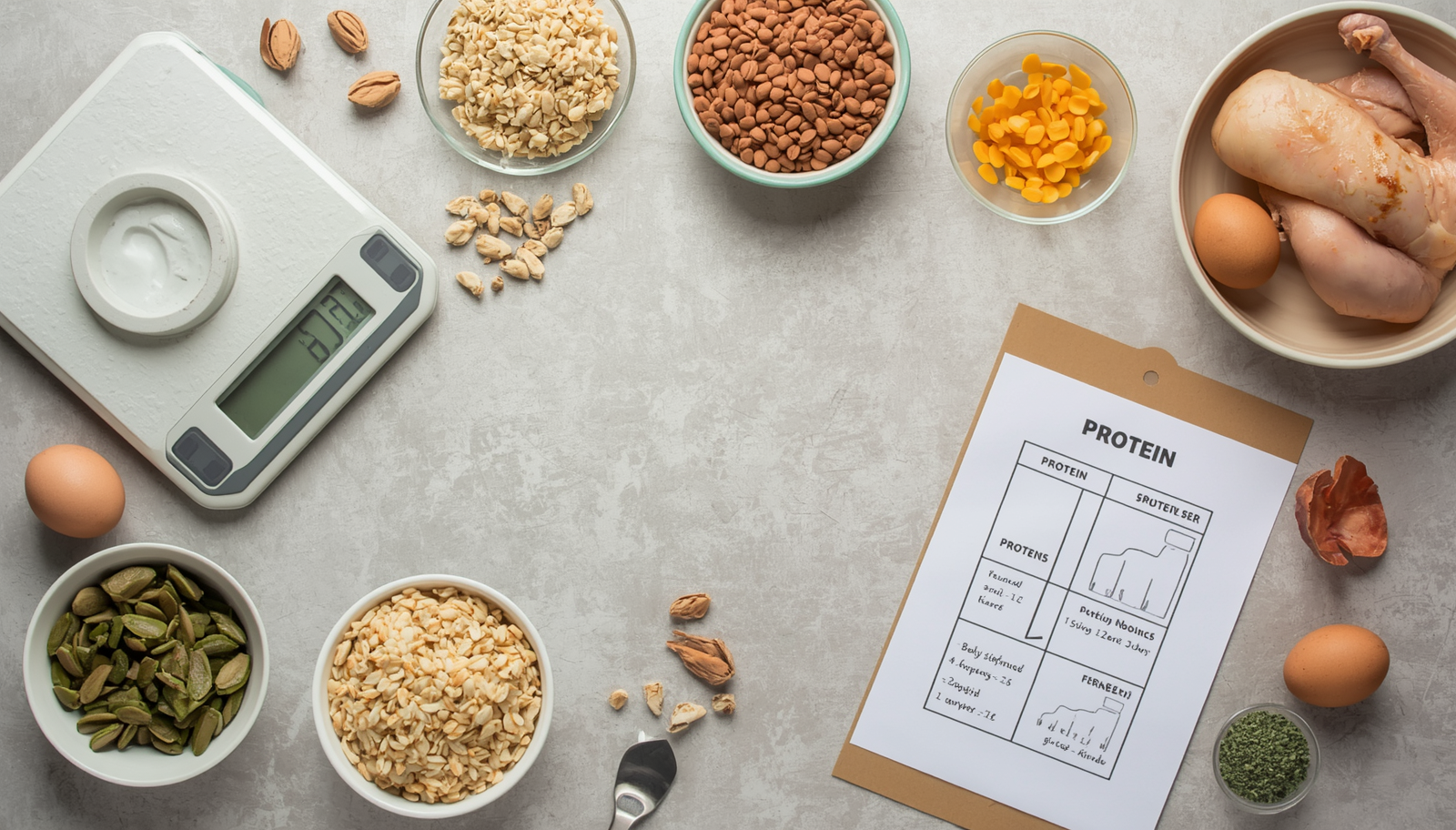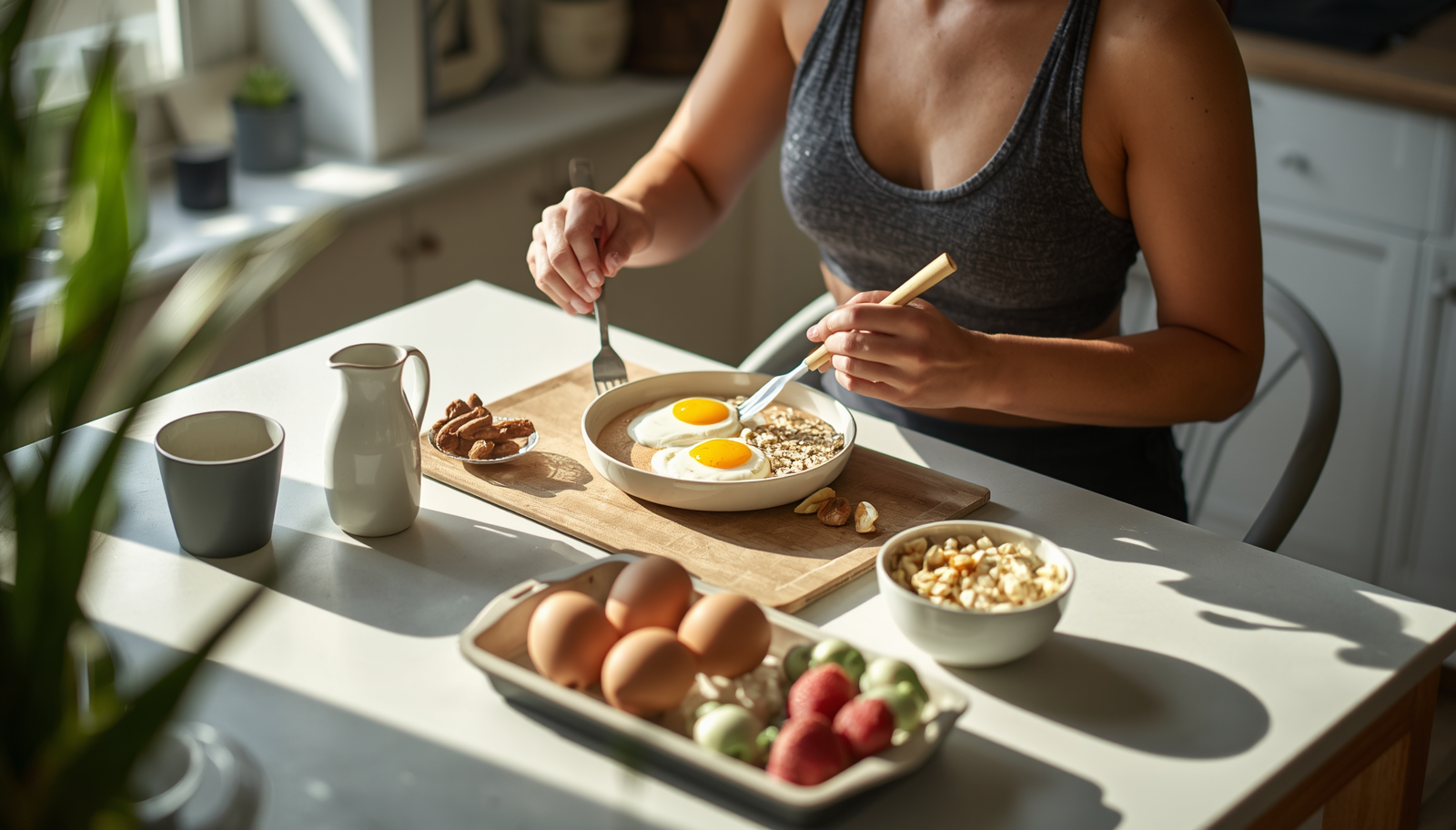
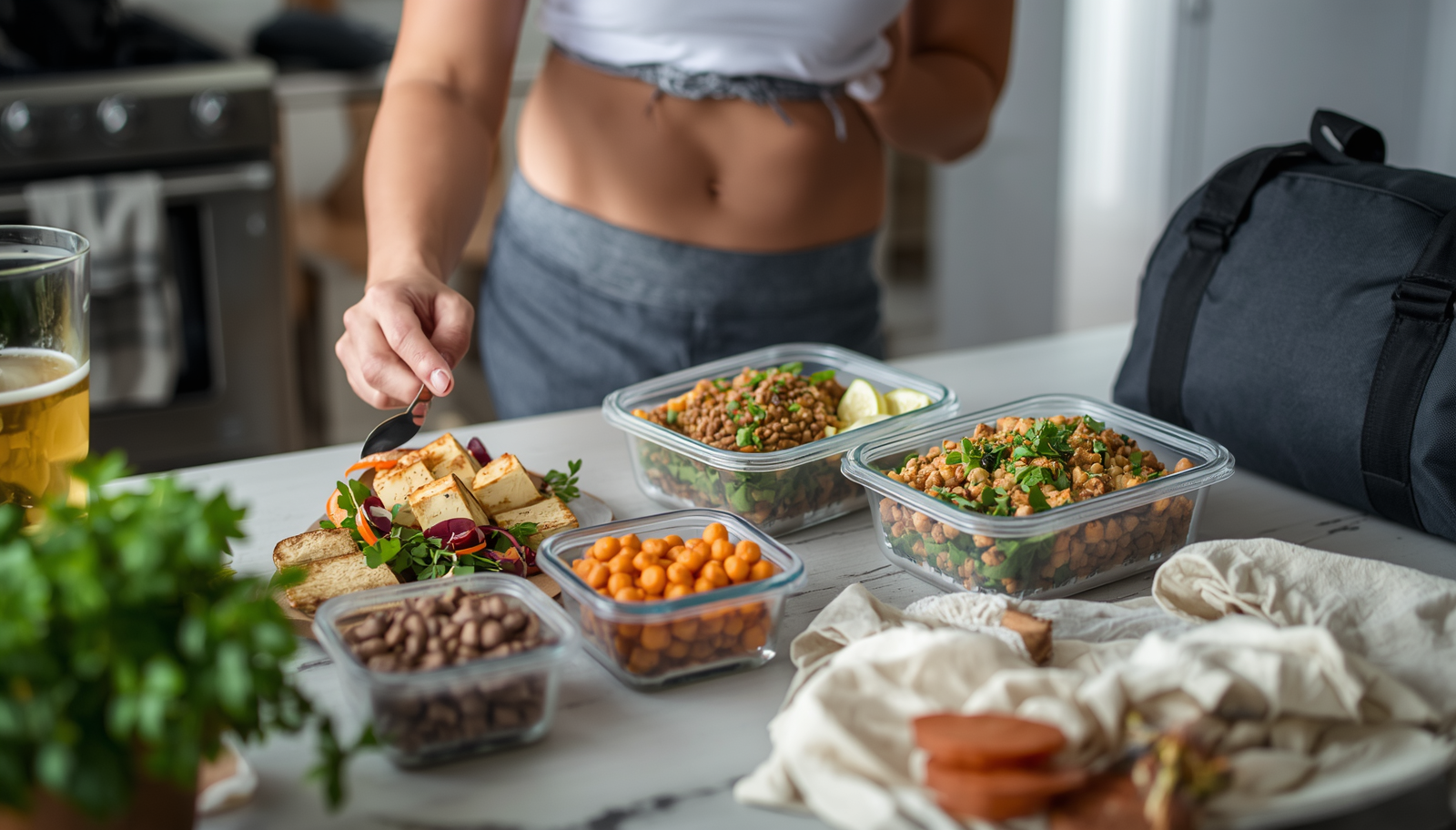
Protein is a key nutrient for body structure, muscle repair, and overall function. Many people assume protein comes only from animal foods, but vegetarian and vegan diets also provide sufficient protein when planned correctly.
Plant-based diets rely on food combinations and structured meals to meet protein needs. Vegetarians include dairy and eggs in some cases, while vegans rely fully on plant-based sources.
This guide explains protein sources for vegetarians and vegans, how to structure meals, and how to meet daily protein requirements.
What Is Protein in a Plant-Based Diet
Protein is made of amino acids. The body uses these amino acids for muscle repair, enzymes, and cell function.
Plant-based protein comes from:
- Legumes
- Grains
- Nuts
- Seeds
- Soy products
- Vegetables in smaller amounts
Some plant proteins contain limited amino acids, so food combinations are important.
Importance of Protein for Vegetarians and Vegans
Protein in plant-based diets supports:
- Muscle maintenance
- Body repair
- Energy balance
- Immune function
- Daily metabolic activity
Without structured intake, protein levels may become low.
Complete Plant-Based Protein Sources
Lentils
Lentils provide protein and fiber. They are used in soups, stews, and rice-based meals.
Beans
Beans are a major protein source in vegetarian and vegan diets.
Common types:
- Black beans
- Kidney beans
- White beans
Chickpeas
Chickpeas provide protein and are used in salads, curries, and spreads.
Soy Products
Soy is a complete protein source.
Examples:
- Tofu
- Tempeh
- Soy milk
Quinoa
Quinoa contains all essential amino acids and is used as a grain alternative.
Nuts
Nuts provide protein and fat.
Examples:
- Almonds
- Peanuts
- Walnuts
Seeds
Seeds provide protein and nutrients.
Examples:
- Chia seeds
- Flax seeds
- Pumpkin seeds
Whole Grains
Whole grains provide moderate protein.
Examples:
- Oats
- Brown rice
- Whole wheat
Vegetables
Some vegetables provide small amounts of protein.
Examples:
- Spinach
- Broccoli
- Peas
Protein Combinations in Plant-Based Diet
Plant proteins may lack one or more amino acids. Combining foods helps complete protein intake.
Examples:
- Rice with beans
- Bread with lentils
- Oats with nuts
- Chickpeas with grains
These combinations support full amino acid intake.
Daily Protein Requirements
Protein needs depend on:
- Body weight
- Activity level
- Health goals
General approach:
- Low activity: moderate intake
- Medium activity: balanced intake
- High activity: increased intake
Vegetarian Protein Meal Structure
Morning Meal
Supports energy and protein intake.
Examples:
- Oats with milk or yogurt
- Eggs with bread (for vegetarians)
- Nuts with fruit
Midday Meal
Main protein intake meal.
Examples:
- Rice with lentils
- Beans with vegetables
- Quinoa with chickpeas
Evening Meal
Supports recovery.
Examples:
- Vegetables with tofu
- Lentil soup
- Chickpeas with salad
Snacks
Supports protein between meals.
Examples:
- Nuts
- Yogurt
- Seeds
- Protein smoothies
Vegan Protein Meal Structure
Morning Meal
- Oats with soy milk
- Peanut butter with bread
- Fruit with nuts
Midday Meal
- Rice with beans
- Lentils with vegetables
- Quinoa with chickpeas
Evening Meal
- Tofu with vegetables
- Bean stew
- Mixed salad with seeds
Snacks
- Nuts
- Soy yogurt
- Seeds
Protein Timing in Plant-Based Diet
Protein intake works better when distributed across the day.
Basic structure:
- Morning protein intake
- Midday main protein intake
- Evening protein intake
- Snacks between meals
This supports continuous body repair.
Plant Protein and Muscle Growth
Muscle growth requires protein and activity.
Process:
- Training creates muscle demand
- Protein supports repair
- Rest supports recovery
- Repeated cycles support growth
Plant protein supports this process when intake is sufficient.
Plant Protein and Fat Loss
Protein supports fat loss by:
- Reducing hunger
- Supporting calorie control
- Maintaining muscle during weight loss
- Improving meal structure
Common Problems in Plant Protein Diet
Low Protein Variety
Relying on one source reduces amino acid balance.
Irregular Meal Structure
Affects daily protein intake.
Low Calorie Intake
Can reduce energy levels.
Lack of Planning
Leads to inconsistent protein intake.
Sample Daily Plant Protein Plan
Morning:
- Oats
- Soy milk
- Nuts
- Fruit
Midday:
- Rice
- Lentils
- Vegetables
- Seeds
Snack:
- Peanut butter
- Nuts
Evening:
- Tofu
- Chickpeas
- Vegetables
Hydration in Plant-Based Diet
Water supports digestion and nutrient transport.
Basic pattern:
- Water in morning
- Water with meals
- Water between meals
Long-Term Plant Protein Strategy
Consistency is required for results.
Key actions:
- Mix protein sources daily
- Combine foods for amino acids
- Maintain regular meals
- Adjust intake based on activity