Nutrition is a basic part of daily life that affects energy, body function, and long-term health. A beginner nutrition guide helps explain how food choices and eating patterns influence the body.
Many people start improving their diet without understanding structure. This often leads to inconsistent habits. A clear guide helps build a simple system for daily eating.
This article explains nutrition basics in a structured way so beginners can apply it to daily life.
What Is Nutrition
Nutrition is the process of consuming food and using it for energy, growth, and body function. It includes how the body processes carbohydrates, proteins, fats, vitamins, minerals, and water.
Each nutrient has a role:
- Carbohydrates provide energy
- Protein supports body structure
- Fat supports hormone and cell function
- Vitamins support metabolic processes
- Minerals support regulation functions
- Water supports hydration and transport
Why Nutrition Matters in Daily Life
Nutrition affects:
- Energy levels
- Body weight
- Muscle function
- Digestion
- Sleep patterns
- Overall physical performance
When nutrition is inconsistent, the body may show unstable energy patterns and irregular hunger signals.
Basic Food Groups
A beginner nutrition plan includes all major food groups.
Carbohydrates
Carbohydrates provide energy for daily activity.
Sources:
- Rice
- Bread
- Oats
- Potatoes
- Fruits
Protein
Protein supports muscle repair and body structure.
Sources:
- Eggs
- Chicken
- Fish
- Lentils
- Beans
- Dairy products
Fats
Fats support hormone function and cell structure.
Sources:
- Nuts
- Seeds
- Oils
- Avocado
- Dairy products
Vitamins and Minerals
These support body regulation and metabolism.
Sources:
- Vegetables
- Fruits
- Whole grains
- Animal products
Water
Water supports digestion and nutrient movement in the body.
Regular intake is required throughout the day.
Structure of a Beginner Nutrition Plan
A beginner plan focuses on structure rather than restriction.
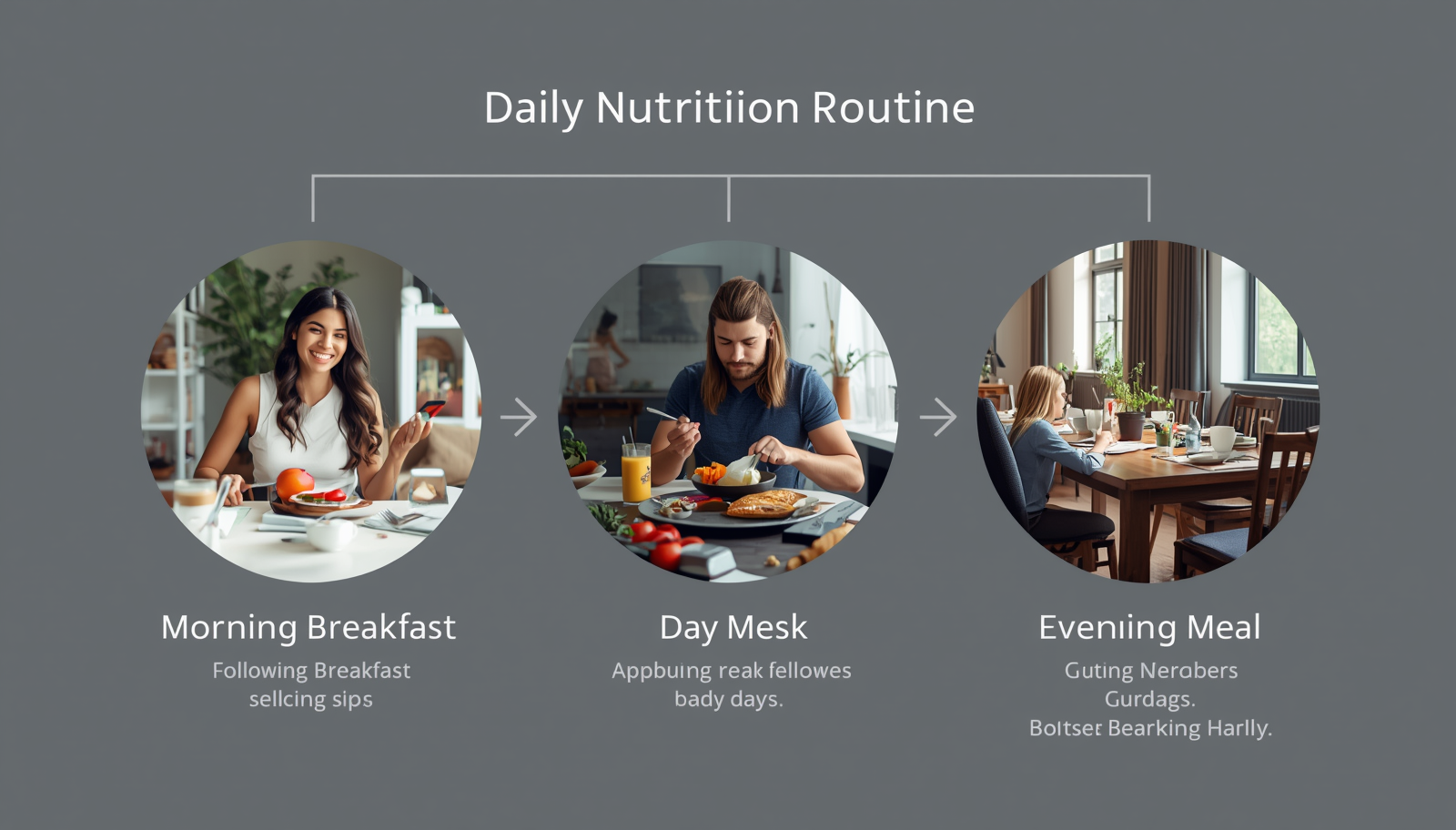
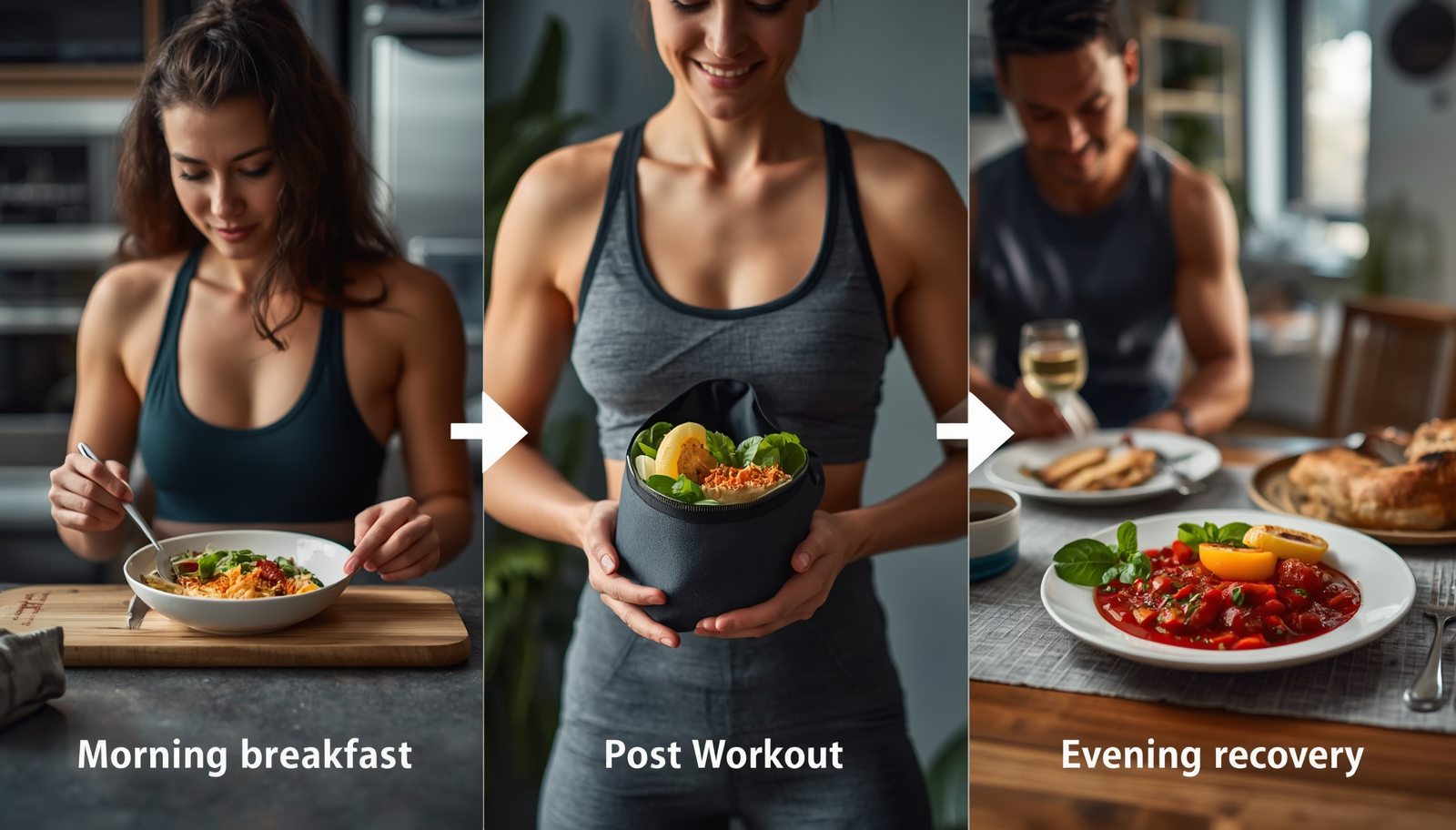
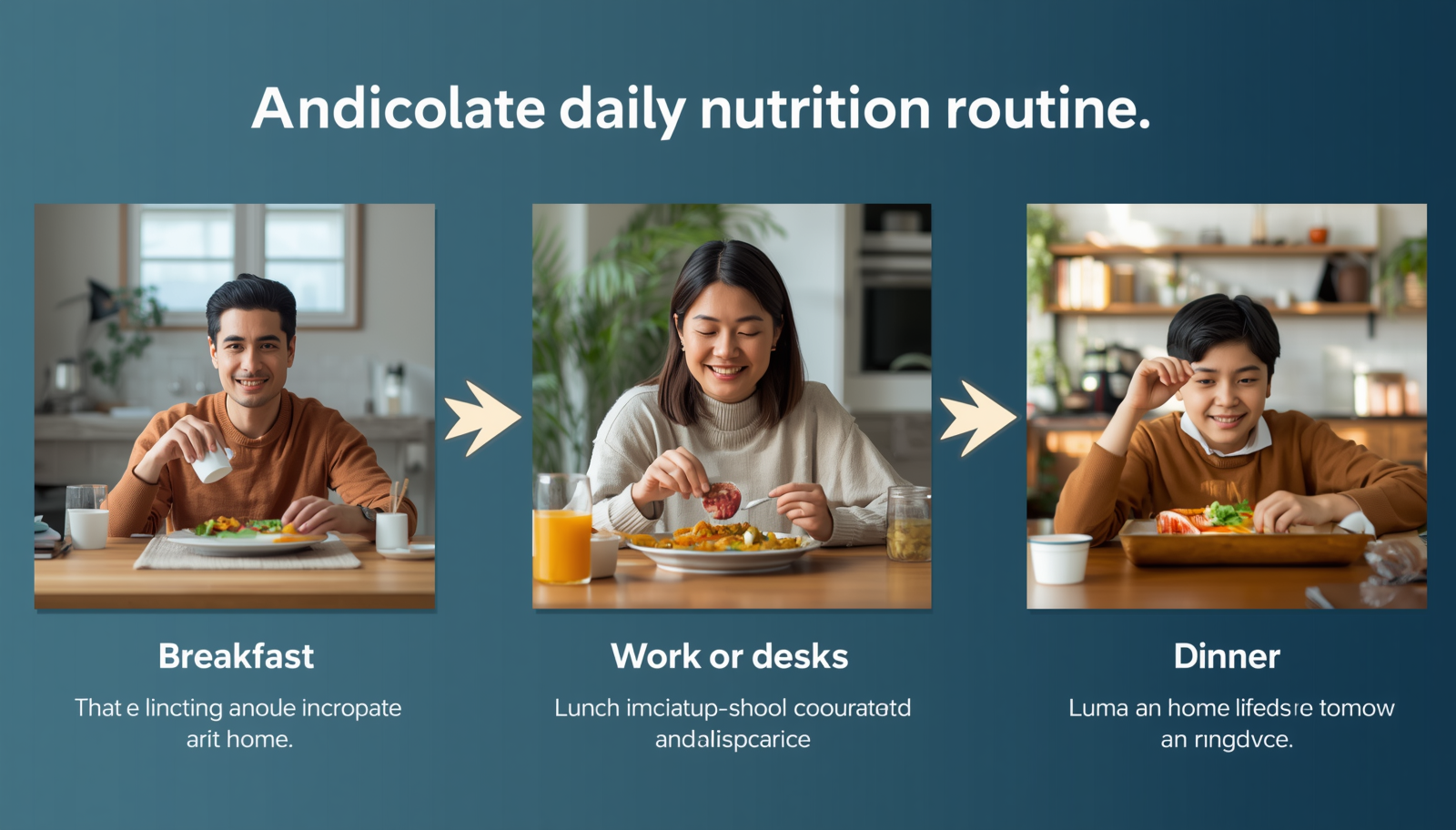
Morning Meal
The morning meal starts energy intake for the day.
Example:
- Oats or bread
- Eggs or dairy
- Fruit
- Water
Midday Meal
The midday meal supports main energy needs.
Example:
- Rice or bread
- Protein source
- Vegetables
- Water
Evening Meal
The evening meal supports recovery.
Example:
- Light carbohydrate source
- Protein source
- Vegetables
- Water
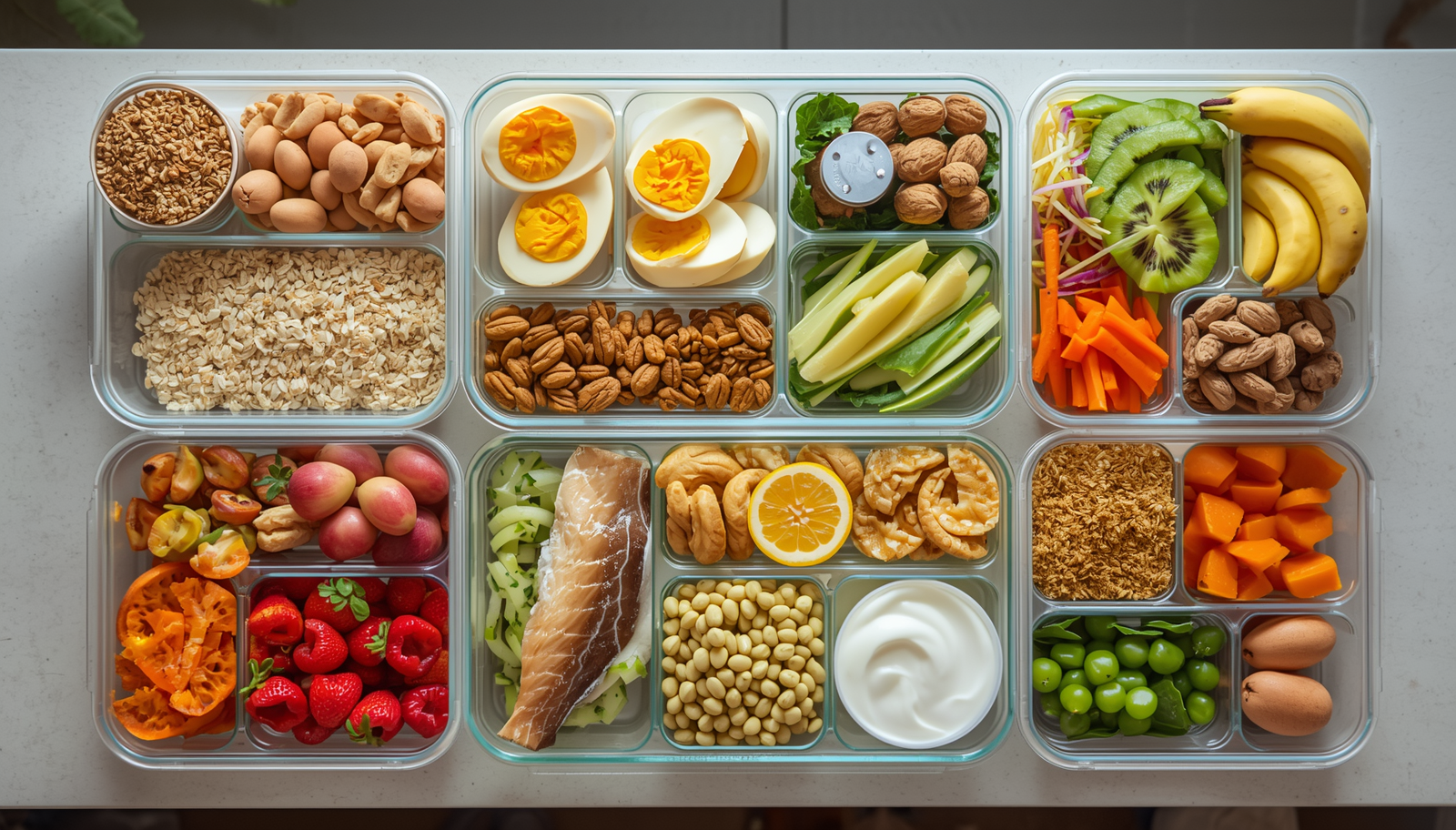
Snacks
Snacks support energy between meals.
Examples:
- Fruit
- Nuts
- Yogurt
Meal Timing Basics
Meal timing helps maintain energy stability.
Basic pattern:
- Morning after waking
- Midday after several hours
- Evening before rest
- Snacks between meals if needed
Consistency is more important than strict timing.
Portion Control for Beginners
Portion control means managing food quantity in each meal.
Simple method:
- Half plate vegetables
- One portion protein
- One portion carbohydrates
- Small amount of fats
This helps avoid overconsumption.
Hydration in Daily Nutrition
Water supports digestion, energy, and nutrient transport.
Beginners can follow:
- Water after waking
- Water with meals
- Water between meals
Avoid relying on sugary drinks as main hydration sources.
Healthy Eating Habits
Healthy eating is based on consistency.
Habits include:
- Eating at regular times
- Including all food groups
- Avoiding skipping meals
- Maintaining water intake
- Reducing processed food frequency
Common Beginner Mistakes
Skipping Meals
Skipping meals can lead to irregular energy and overeating later.
Over-Reliance on Processed Food
Processed food reduces nutrient variety.
Ignoring Protein Intake
Low protein intake affects muscle maintenance.
Irregular Eating Pattern
Unstructured eating affects energy stability.
Simple Daily Nutrition Example
Morning:
- Oats
- Eggs
- Fruit
- Water
Midday:
- Rice
- Chicken or lentils
- Vegetables
- Water
Snack:
- Nuts or yogurt
Evening:
- Bread or potatoes
- Fish or beans
- Vegetables
- Water
Nutrition and Lifestyle Connection
Nutrition affects daily lifestyle patterns such as:
- Work performance
- Physical activity
- Sleep quality
- Mental focus
Stable nutrition supports stable daily routine.
Adjusting Nutrition Based on Activity
Different activity levels require different intake patterns.
Low Activity
Lower energy requirement
Moderate food intake
Medium Activity
Balanced intake across meals
High Activity
Higher energy requirement
Increased protein and carbohydrate intake
Long-Term Nutrition Approach
Nutrition is a long-term system. Results depend on consistency rather than short-term changes.
Tracking food intake, maintaining routine, and adjusting portion size help build stability over time.