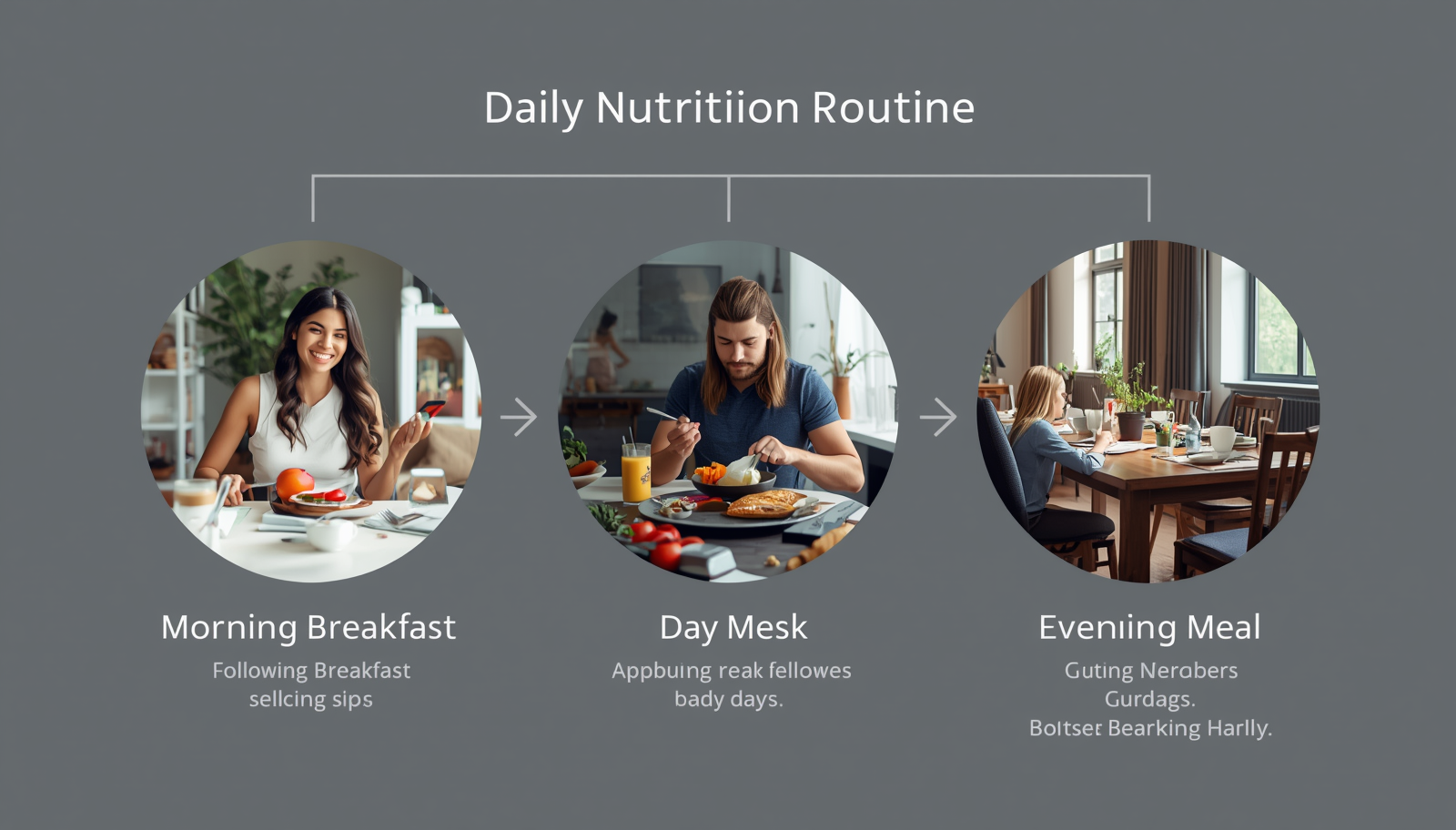

A balanced nutrition plan is a structured approach to daily food intake that focuses on supplying the body with carbohydrates, proteins, fats, vitamins, minerals, and water in proper amounts. The goal is to support energy production, physical function, and long-term health outcomes.
Many people experience low energy, irregular eating habits, and poor food choices due to lack of structure in daily meals. A planned nutrition approach helps organize food intake and supports consistent energy levels across the day.
This article explains how a balanced nutrition plan works, what it includes, and how to apply it in daily life using simple food choices and timing methods.
What Is a Balanced Nutrition Plan
A balanced nutrition plan is a daily food structure that includes all major nutrients in defined portions. It distributes energy intake across meals and avoids excess or deficiency of specific nutrients.
The plan includes:
Carbohydrates for energy supply
Protein for tissue maintenance
Fat for hormone and cell function
Vitamins for metabolic processes
Minerals for body regulation
Water for hydration and transport
The plan is not based on restriction but on distribution and consistency.
Core Nutrients in Daily Intake
Carbohydrates
Carbohydrates serve as the main energy source. They convert into glucose, which is used by muscles and brain cells.
Common sources include:
Rice
Oats
Wheat
Potatoes
Fruits
Carbohydrates should be distributed across meals to maintain energy levels.
Protein
Protein supports muscle structure, enzymes, and cell repair.
Common sources include:
Eggs
Chicken
Fish
Lentils
Beans
Daily intake depends on body weight and activity level.
Fat
Fat supports hormone activity, brain function, and cell structure.
Common sources include:
Nuts
Seeds
Olive oil
Avocado
Dairy products
Fat intake should remain consistent without large variation across days.
Vitamins and Minerals
Vitamins and minerals support metabolism, immune function, and body regulation.
Sources include:
Vegetables
Fruits
Whole grains
Dairy products
Meat products
A varied diet supports intake of multiple micronutrients.
Water
Water supports digestion, temperature control, and nutrient transport.
Daily intake depends on body size, climate, and activity level.
Structure of a Daily Nutrition Plan
A daily nutrition plan is divided into meals and timing intervals. Most plans use three main meals and one or two additional meals.
Morning Meal
The morning meal provides energy for the start of the day. It includes carbohydrates and protein.
Example structure:
Oats with milk
Eggs
Fruit
Midday Meal
The midday meal supports sustained energy during active hours.
Example structure:
Rice or bread
Protein source such as chicken or beans
Vegetables
Evening Meal
The evening meal supports recovery and prepares the body for rest.
Example structure:
Light carbohydrate source
Protein source
Vegetables
Additional Meals
Additional meals help maintain energy levels between main meals.
Examples:
Fruit
Yogurt
Nuts
Energy Distribution Across the Day
Energy intake should follow activity levels during the day. Higher intake is often aligned with active hours, while lower intake aligns with rest periods.
A general distribution pattern:
Morning: moderate energy intake
Midday: higher energy intake
Evening: moderate or lower intake
Snacks: small energy support
Sample Balanced Nutrition Day Plan
Morning:
Oats
Boiled eggs
Apple
Water
Midday:
Rice
Chicken or lentils
Mixed vegetables
Water
Snack:
Yogurt
Nuts
Evening:
Bread or potatoes
Fish or beans
Vegetables
Water
This structure supports energy consistency through the day.
Meal Timing and Frequency
Meal timing influences energy stability and digestion patterns.
Common timing approach:
Breakfast within morning hours after waking
Midday meal after 4–6 hours
Evening meal before long rest period
Snacks between main meals if required
Regular timing supports predictable energy output.
Common Issues in Daily Nutrition Patterns
Irregular Meal Timing
Skipping meals or inconsistent timing may lead to energy fluctuation.
Single Nutrient Focus
Some eating patterns focus on one nutrient group and exclude others, leading to imbalance.
Low Water Intake
Insufficient water intake affects digestion and energy levels.
High Processed Food Intake
Processed foods may replace structured meals and reduce nutrient variety.
Simple Methods for Improvement
Food Planning
Planning meals in advance supports consistent nutrient intake.
Portion Control
Dividing meals into structured portions helps regulate intake.
Food Variety
Including different food groups increases nutrient coverage.
Routine Building
Eating at similar times each day improves stability.
Nutrition Plan for Different Activity Levels
Low Activity Level
Lower energy requirement
Focus on moderate carbohydrate intake and consistent protein intake
Medium Activity Level
Balanced intake across all nutrients
Regular meals and snacks
High Activity Level
Higher carbohydrate intake
Increased protein intake for recovery
Long-Term Application
A balanced nutrition plan is not a short-term method. It functions as a continuous structure for daily living. Consistency in food intake leads to stable energy patterns and predictable body function.
Tracking food intake, adjusting portion size, and maintaining meal timing support long-term use.